Kitchen cabinets are the ultimate paint stress test. They get grabbed with greasy fingers, bumped by dishes, steamed by pasta water, and wiped down constantly. So when someone tells me, “I just want the most durable paint,” what they usually mean is: Which paint will cure hard, clean easily, and not chip the first time my toddler rams a toy truck into it?
For cabinets, the real choice most DIYers face is water-based acrylic versus modern waterborne alkyd. Both are low odor and soap-and-water cleanup, but they dry, level, and cure differently. Those differences matter a lot on doors and drawer fronts where you can see every brush mark and feel every sticky edge.
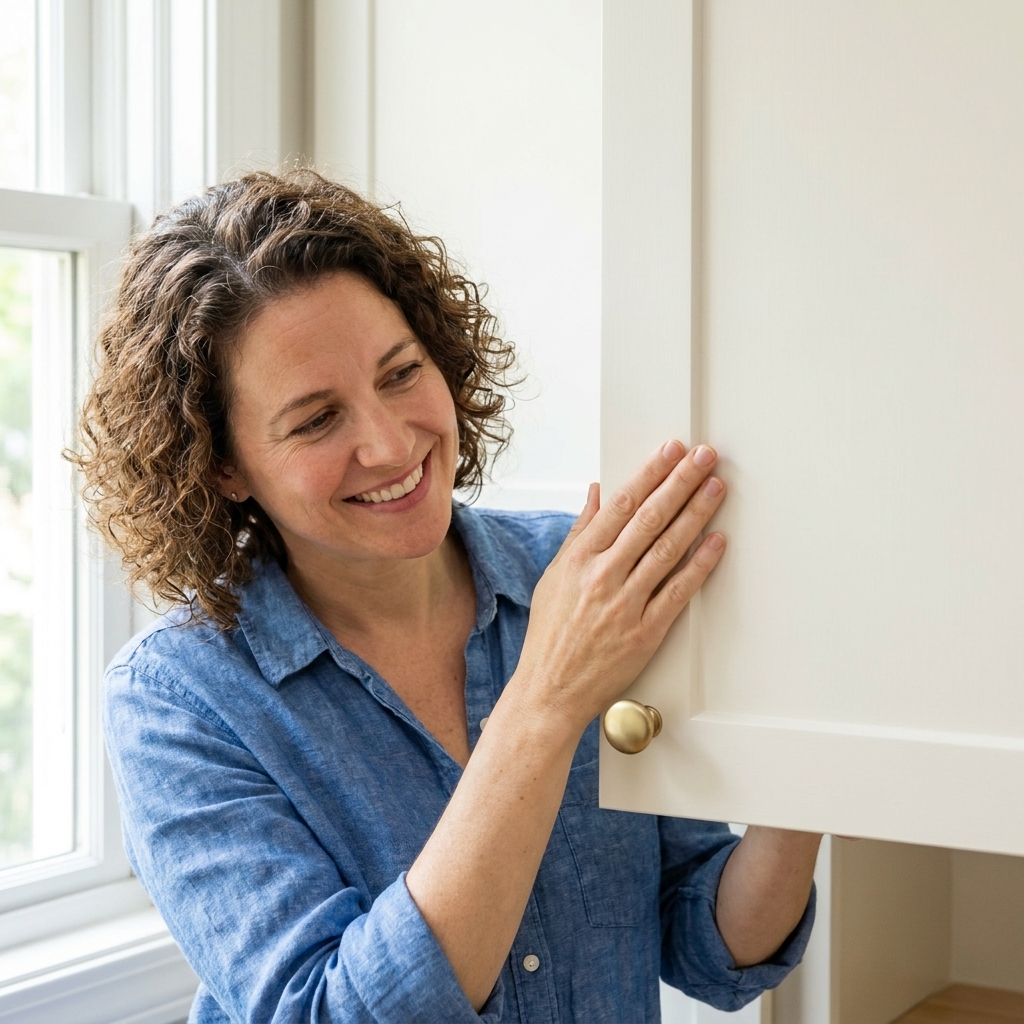
The quick takeaway
- Want the toughest, most furniture-like finish? Choose waterborne alkyd. It typically cures harder and levels out smoother.
- Want the easiest application and faster recoat? Choose a high-quality 100% acrylic cabinet paint, especially if you are painting in a tight timeline.
- Hate yellowing? Both are far better than old-school oil, but acrylics generally stay the most color-true, especially in bright whites.
What “acrylic” and “alkyd” mean
Water-based acrylic
Acrylic paint uses acrylic resin as the binder. For cabinets, look for products marketed specifically for trim, doors, and cabinetry. These acrylics are formulated to dry harder than typical wall paint and resist blocking, which is the paint’s tendency to stick to itself when two painted surfaces touch.
In plain terms: acrylics dry fast, stay flexible, and are very forgiving. They can still look beautiful on cabinets, but the best results depend heavily on prep and using the right primer.
Waterborne alkyd
Alkyd is a resin technology historically associated with oil paint. Today’s waterborne alkyd products suspend alkyd resins in water so you get easier cleanup and lower odor than traditional oil, with much of that classic “hard enamel” feel once cured.
In plain terms: waterborne alkyd tends to level more like an enamel and cure harder, which is why it is so popular for cabinets and trim.
Durability: chips, scratches, cleaning
Chip resistance
Edge chips are the number one complaint I hear after a cabinet paint job. Doors get knocked, drawer corners hit countertops, and trash pull-outs take a beating.
- Waterborne alkyd usually wins here because it cures to a harder film that resists dents and chipping at corners.
- Acrylic can still perform well, but it may stay slightly more flexible, which can mean less brittleness but also a little less “armor” at sharp edges, especially if the coating is thin.
Scratch resistance
Both paints can scratch during the first couple weeks if you treat them like they are fully cured on day two. But in general:
- Waterborne alkyd tends to build a tougher surface once cured.
- Acrylic can be very good, especially premium formulas, but may show scratches sooner if the surface underneath was not properly sanded and primed.
Cleanability
Cabinet paint lives and dies by how it handles repeated wiping. Both acrylic and waterborne alkyd can be scrubbed gently once cured, but waterborne alkyd often feels more like a factory finish under a sponge.
Important: harsh cleaners can dull any paint. Skip abrasive powders and lean on mild dish soap, warm water, and a soft cloth.
Finish quality: texture and leveling
If you have ever painted a door and stared at it from the side while whispering “why can I see everything,” you already understand how much leveling matters.
Leveling
- Waterborne alkyd generally levels better, which means fewer brush marks and a smoother look with a foam roller or quality enamel brush.
- Acrylic dries faster, which can lock in brush marks if you overwork an area or paint in warm, dry conditions.
Open time
Alkyd typically gives you a little more working time. Acrylic can feel like it “sets” quickly, especially with airflow, low humidity, or a warm kitchen.
My practical rule: if you are hand-painting and you want that silky, sprayed look without spraying, waterborne alkyd gives you a better shot.
Dry time vs. cure time
Dry-to-touch is not the same as cured. Cabinets need time to harden before they can handle daily abuse.
- Acrylic: often dries and recoats faster. Full cure still typically takes about 2 to 4 weeks, depending on humidity and thickness.
- Waterborne alkyd: can feel dry fairly quickly, but often needs a solid 3 to 4 weeks to reach its hardest, most durable state.
During the cure window, treat cabinets gently. Avoid hanging heavy organizers, slamming doors, or washing aggressively. This is where a “durable paint” becomes a durable finish.
Color and yellowing
Traditional oil-based alkyds can yellow over time, especially in low-light areas. Waterborne alkyds are much improved, but very bright whites can still be more vulnerable to a warm shift than a comparable acrylic, particularly in dark pantries or rooms with less natural light.
- If you are painting cabinets a crisp white: acrylic is the safest bet for long-term color stability.
- If you are painting a warm white, greige, sage, navy, or charcoal: waterborne alkyd’s slight warmth is usually a non-issue and often looks rich.
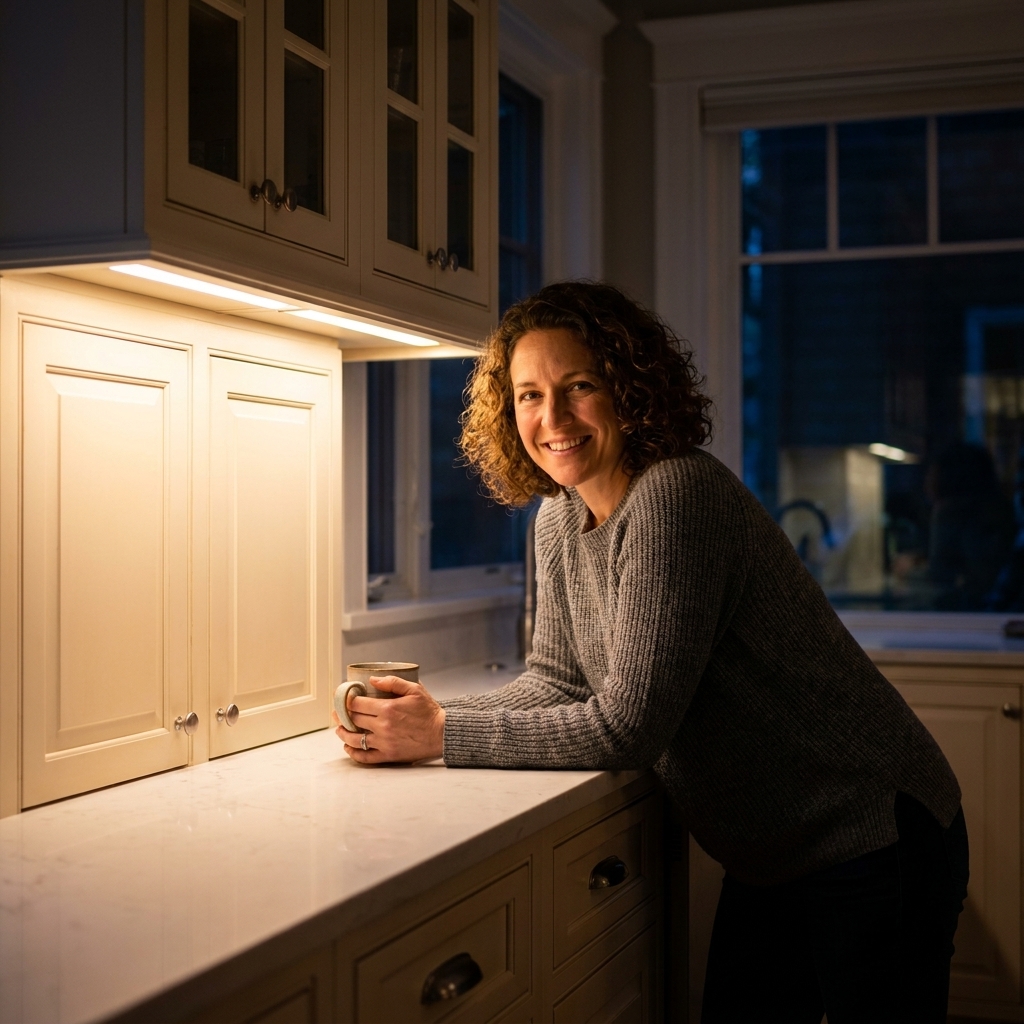
Lighting still runs the show. Warm under-cabinet lighting can make any white read creamier at night, no matter the paint type.
Best use cases
Choose acrylic if…
- You want fast recoat times and a simpler workflow.
- You are painting bright white and are sensitive to yellowing.
- You are working in a space where maximum low odor matters.
- You want easier touch-ups. Acrylic touch-ups often blend more invisibly than enamels.
Choose waterborne alkyd if…
- You want the hardest, most cabinet-like finish from a brush and roller.
- You care about leveling and minimizing brush marks.
- Your cabinets take a beating (kids, pets, heavy use) and you want extra toughness at edges.
Common frustrations
- Waterborne alkyd can feel “grabby” during curing. That is usually temporary, but it means you should not reinstall doors and start scrubbing the next day.
- Acrylic can show texture. If you use the wrong roller or you roll too dry, you can freeze in orange peel texture that is tough to sand out later.
Prep for chip resistance
I love paint, but I love prep more. Most cabinet failures I have seen were not the paint’s fault. They were adhesion problems.
1) Degrease
Kitchen cabinets hold onto invisible grime. Wash with a strong degreaser or a grease-cutting cleaner, then rinse with clean water and let everything dry fully.
2) Scuff sand
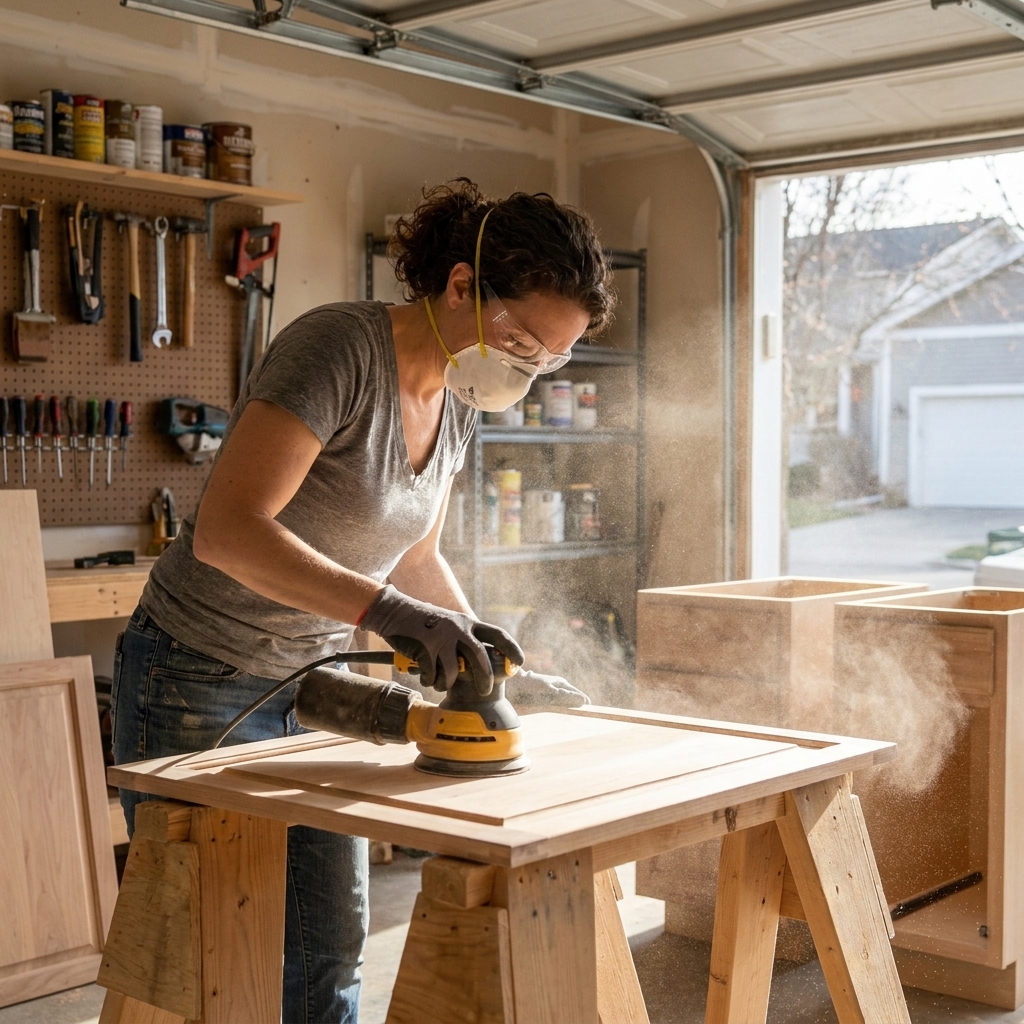
You do not need to sand to bare wood in most cases. You do need to dull the sheen so primer can bite. Use a sanding sponge or sandpaper (often in the 150 to 220 grit range) and focus on glossy areas and edges.
3) Prime for the surface
- Previously painted cabinets in good shape: a quality bonding primer is your friend.
- Raw wood or tannin-prone wood: use a stain-blocking primer to prevent bleed.
- Laminate or slick factory finishes: use a high-adhesion bonding primer and do not skip scuff sanding.
Primer is not optional on cabinets if you want durability. Paint is not designed to be the glue layer.
Application tips
Use the right tools
- Roller: a high-density foam roller or a microfiber mini roller made for smooth surfaces.
- Brush: a quality nylon or nylon-polyester brush for water-based paints.
- Optional: adding a compatible paint conditioner can improve flow for brush and roller work, but follow the paint manufacturer guidance.
Thin coats win
Two to three thin coats are usually tougher and smoother than one heavy coat. Heavy coats sag, pool at profile edges, and take longer to cure.
Work in a cabinet-friendly order
- Remove doors and hardware.
- Paint cabinet boxes first (less handling later).
- Paint door backs, let dry, then paint door fronts.
- Let doors cure flat if possible to reduce drips and edge sticking.
Let it harden before rehanging
If you can wait, do. Even 48 to 72 extra hours can reduce dings during reinstallation. Use bumpers at corners and adjust hinges so doors do not rub.
Best sheen for cabinets
For kitchens, I almost always steer people toward satin or semi-gloss.
- Satin: forgiving, softer look, still wipeable. Great for busy kitchens that want a modern feel without high shine.
- Semi-gloss: more reflective, typically the easiest to clean, and very traditional for cabinetry.
Flat and matte finishes can look gorgeous, but they are less forgiving with scuffs and cleaning on cabinets.
At a glance
| Feature | Water-based Acrylic | Waterborne Alkyd |
|---|---|---|
| Leveling | Good (can show brush marks if overworked) | Excellent (often smoother) |
| Hardness after cure | Good to very good | Very good to excellent |
| Recoat speed | Usually faster | Often a bit slower |
| Color stability in bright whites | Excellent | Very good (may warm slightly over time in low light) |
| Touch-ups | Easier to blend | Can flash if not careful |
| Cleanup | Soap and water | Soap and water |
FAQ
Is alkyd paint the same as oil paint?
Not anymore, at least not in the way most of us mean it. Traditional alkyds were solvent-based (oil cleanup). Waterborne alkyd uses water as the carrier, so odor and cleanup are much closer to acrylic, while the cured finish aims for that harder enamel feel.
Can I use wall paint on cabinets?
I would not. Wall paint is designed for large, low-touch surfaces. Cabinets need harder binders and better block resistance. Even if wall paint looks fine at first, it tends to scuff and wear faster on doors and drawers.
Do I need a topcoat?
Usually no for quality cabinet paints in satin or semi-gloss. A clear topcoat can sometimes add protection, but it can also introduce compatibility issues or change the sheen. If you want extra durability, you will get more value from better prep, the right primer, and proper cure time.
What if my cabinets are already chipping?
Chips need to be stabilized before repainting. Scrape anything loose, feather-sand the edges, spot-prime bare areas, then proceed with primer and topcoats. Painting over failing layers is like putting a fresh bedsheet on a crumbling mattress.
My practical pick
If your priority is maximum durability and a smoother, more factory-like finish, I would reach for waterborne alkyd and commit to patient curing.
If your priority is bright-white color stability, fast progress, and easier touch-ups, a high-quality 100% acrylic cabinet paint is a solid, user-friendly choice.
Either way, the most durable cabinet paint job is the one that starts with degreasing, scuff sanding, and a primer that actually grips. That boring middle part is what keeps your beautiful new color from becoming a chip story two weeks later.