If you have ever stood in the paint aisle holding two identical white paint chips and thought, “Why does one can say semi-gloss and the other says high-gloss?” you are in good company. The difference sounds subtle, but on trim and doors it changes everything: how crisp edges read, how much light bounces around a room, and how loudly every tiny dent announces itself.
I have painted enough baseboards to know this truth: sheen is not just about shine. It is about real life in your home, from sticky fingerprints to vacuum bumps, and how picky you want to be about prep.
The quick difference
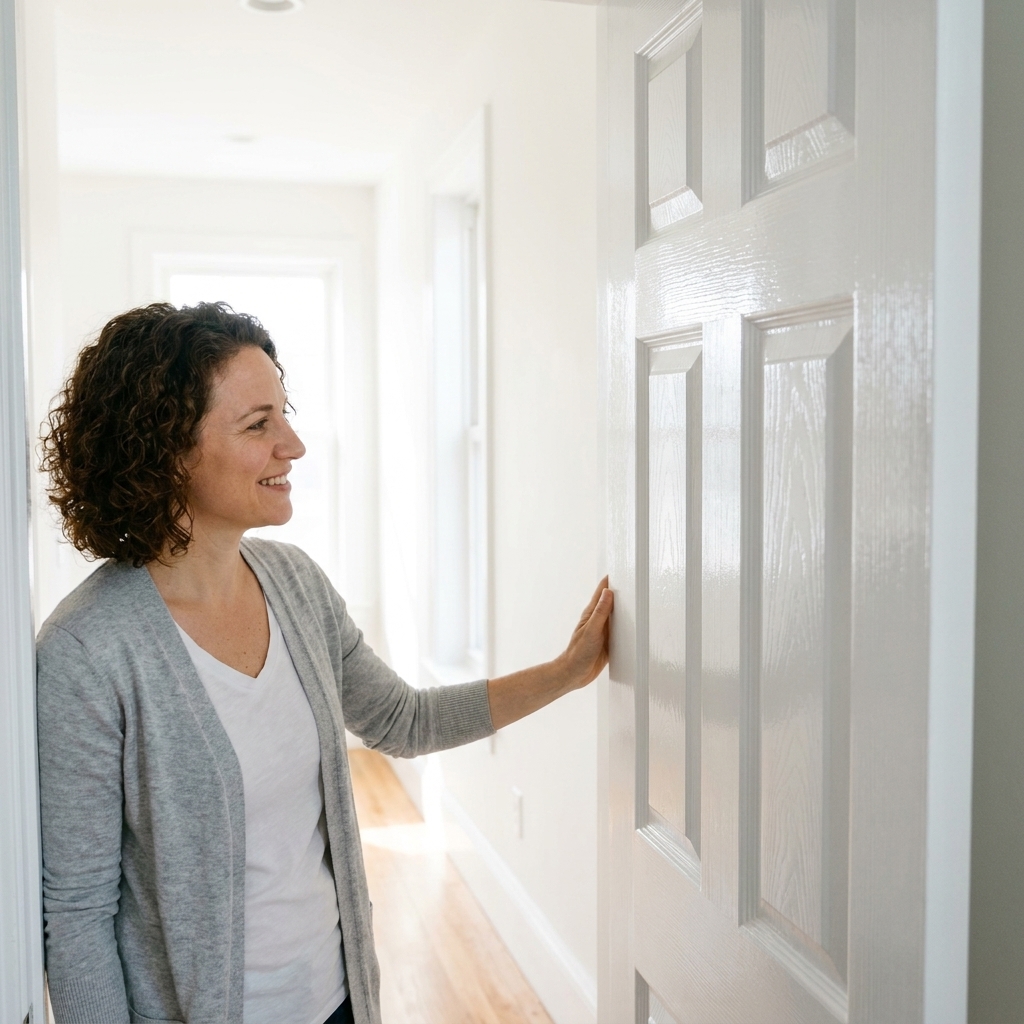
Semi-gloss has a noticeable shine, but it still feels classic and forgiving. High-gloss is more mirror-like and dramatic, and it shows more surface flaws.
- Pick semi-gloss if you want an easier, reliable finish for most homes.
- Pick high-gloss if you want a statement look and you are willing to do extra prep for a near-perfect surface.
Where sheen falls on the ladder
One thing that makes this confusing: sheen names are not perfectly standardized. “Semi-gloss” from one brand can look closer to another brand’s “gloss,” and you might also see labels like “ultra high-gloss” or “door and trim enamel.”
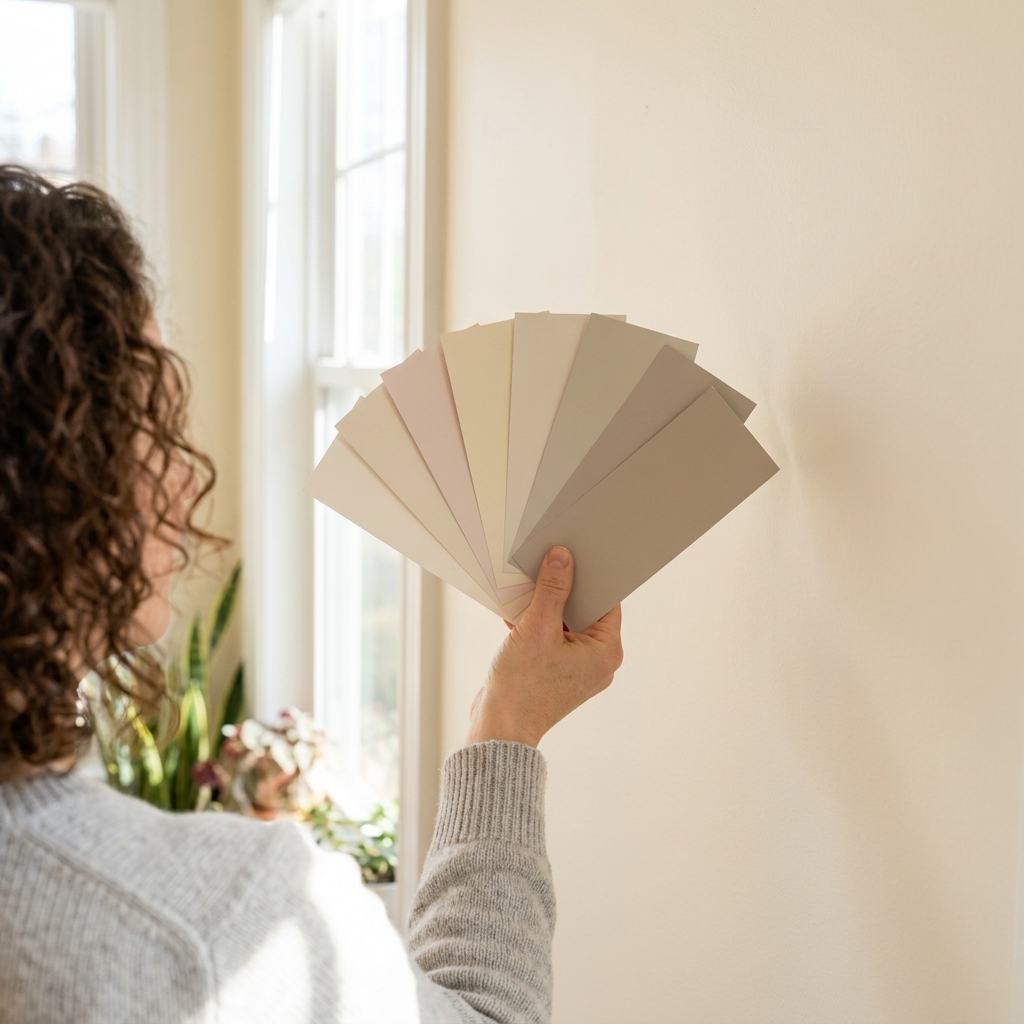
The helpful way to think about it is relative. Semi-gloss sits below high-gloss on the sheen ladder, and the higher you go, the more reflective and less forgiving the finish becomes. If you are unsure, compare sample swatches in the same lighting, or paint a small test area.
What sheen does on trim
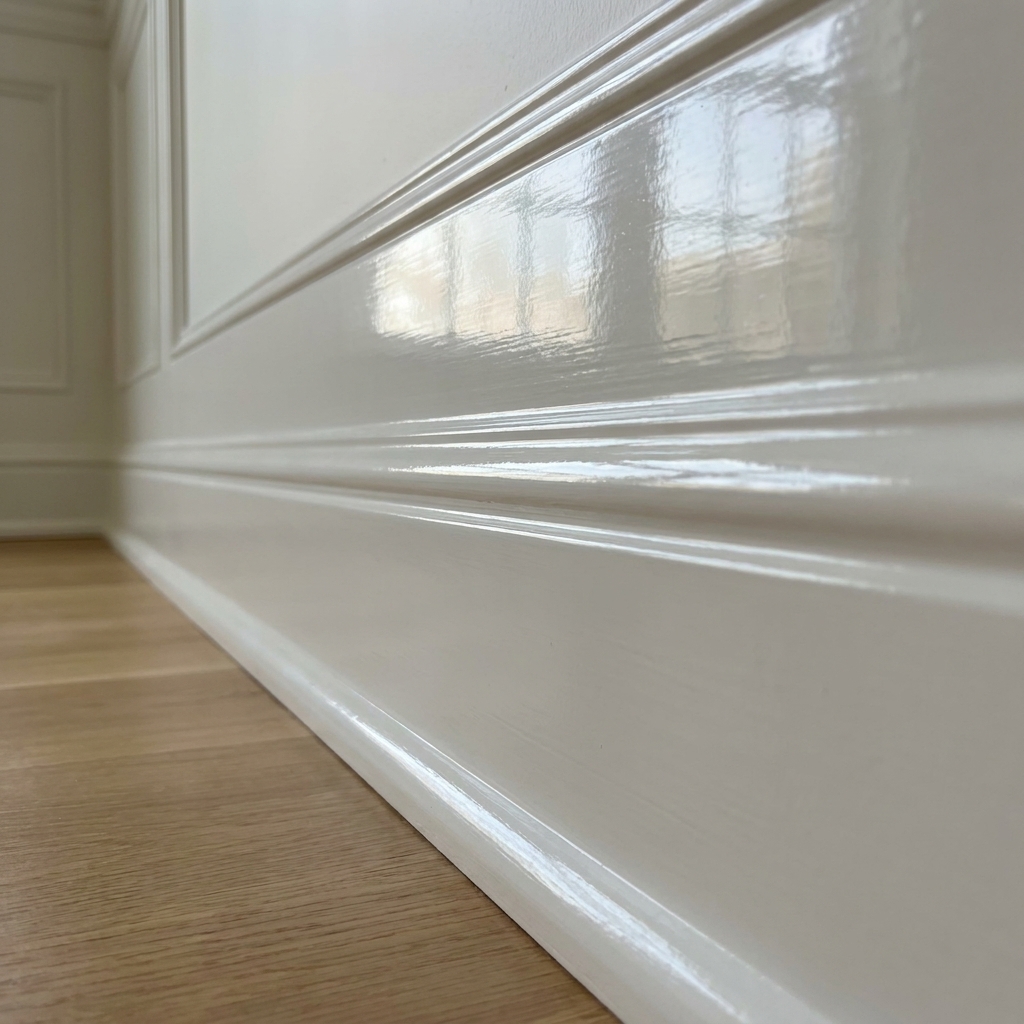
Trim and doors are all about edges and contrast. Higher sheen reflects more light, which makes profiles, grooves, and crisp lines pop. That sounds great, until you realize sheen also reflects imperfections: roller stipple, brush marks, patched nail holes, and that one dent you stopped seeing years ago.
Think of sheen like a flashlight. Semi-gloss is a softer beam. High-gloss is the spotlight.
Semi-gloss: the safe pick
Why people love it
- Forgiving on older trim. Semi-gloss does not highlight every ripple in a 1970s door casing.
- Durable and washable. Great for fingerprints, scuffs, and occasional scrubbing.
- Looks crisp without looking plastic. Especially in bright whites and soft off-whites.
- Easier touch-ups. Repairs blend more easily than with high-gloss.
Best uses
- Baseboards and door casing in busy homes
- Wainscoting and chair rail that get bumped by chairs
- Interior doors in hallways and bedrooms
- Rental refreshes where you need a dependable, not fussy finish
Downsides to consider
- Less “wow” reflection. If you want that lacquered, boutique look, semi-gloss can feel a bit tame.
- Still shows some texture. It is forgiving, not invisible. Sloppy sanding still shows up.
High-gloss: bold and picky
Why it can be stunning
- Maximum pop. High-gloss highlights architectural detail in a way that feels intentional and high-end.
- Very washable. It handles frequent wiping well when properly cured.
- Beautiful on modern doors. Flat-panel or shaker doors can look incredibly sharp with a glossy finish.
Best uses
- Statement interior doors (especially in a bold color)
- Built-ins you want to read as furniture
- Low-traffic areas where you want visual impact more than camouflage
- New, smooth trim or trim you are willing to prep like it is new
Downsides to consider
- It shows everything. Every ridge of old paint, every grain line, every patched spot.
- Application technique matters more. Brush strokes and lap marks are easier to spot.
- Touch-ups can flash (show as a patch with a different sheen or reflectivity). Sometimes the only invisible fix is repainting the full section.
Doors vs. trim: mix if you want
You do not have to pick one sheen for everything. In fact, mixing can look really polished if you keep it subtle.
- Classic approach: semi-gloss on both doors and trim for a consistent look.
- Elevated approach: high-gloss on doors, semi-gloss on trim. This makes doors feel special without turning every baseboard into a mirror.
- Skip this combo: high-gloss baseboards in a hallway with textured walls and imperfect floors, unless you truly love a bold, shiny look and do not mind seeing every wave.
Lighting and undertones
Sheen changes how you perceive color. Higher sheen reflects more of the room back at you, which can shift undertones and make a color feel brighter and sometimes cooler.
- North-facing rooms: High-gloss can look a bit sharper and cooler, especially with bright whites. Semi-gloss tends to feel calmer.
- Sunny rooms: High-gloss can be gorgeous, but glare is real. If you have big windows, test first.
- Warm artificial lighting (2700K): Gloss can emphasize yellow warmth. That can be cozy or it can make a white look creamy fast.
If you are painting trim white, sheen can be the difference between “clean gallery white” and “why does this look beige at night?” Always sample in the room.
Durability and cleaning
Both semi-gloss and high-gloss are popular for trim because they usually handle wear better than flatter finishes. But two factors matter just as much as sheen: paint quality and cure time.
How they compare day to day
- Scuffs: High-gloss can resist scuffs a bit better, but it can also make scuffs more visible because light catches them. In many cases, durability varies more by the paint formula than the sheen name on the can.
- Wiping: Both wipe well once cured. Use a soft cloth and gentle cleaner first, especially on darker colors.
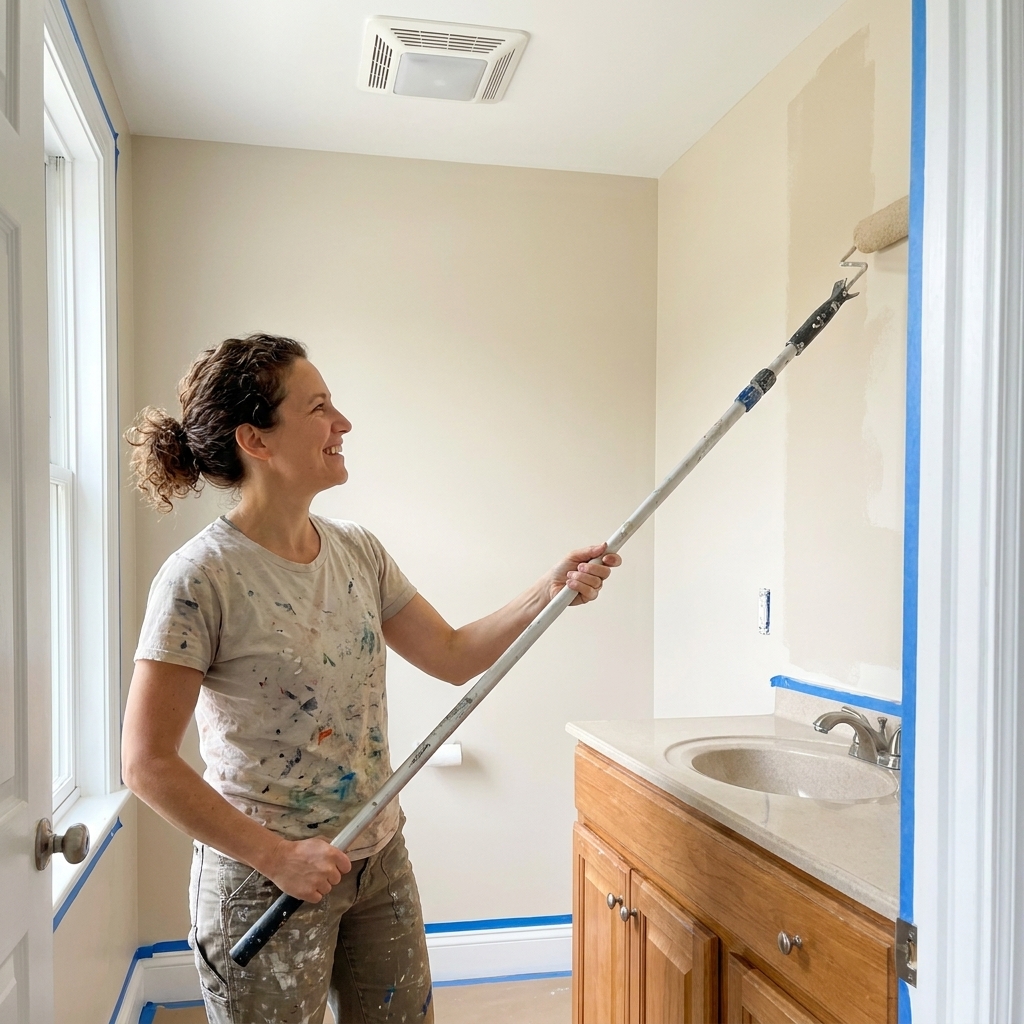
- Moisture: In bathrooms, semi-gloss is a common choice for trim. High-gloss can work too, but it can highlight steam-related imperfections in older woodwork. (Satin trim enamels and specialty bath products are also common.)
Big reminder from someone who has ruined a perfect-looking door by rushing: most trim paints feel dry quickly, but they can take days to weeks to fully cure. Check the label, but many products land in the 7 to 30 day range depending on humidity, temperature, and airflow. Be gentle early on.
Prep: the real decider
If you want one simple rule: the higher the gloss, the more prep you owe the surface.
Minimum prep for semi-gloss (still do this)
- Wash trim with a degreasing cleaner, especially around doorknobs
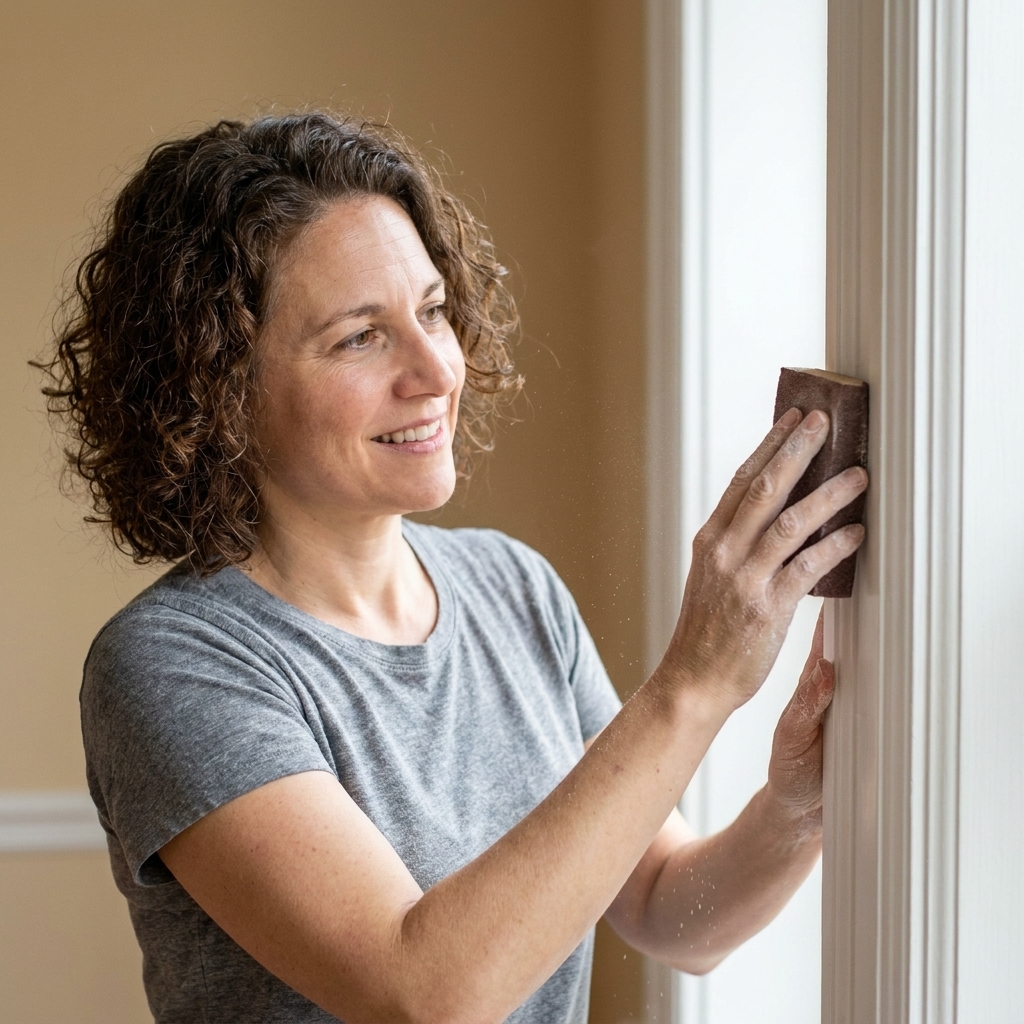
- Scuff-sand to dull the shine
- Fill nail holes and small dents, then sand smooth
- Caulk gaps where trim meets wall (sparingly, smooth it out)
- Prime any bare wood, patched spots, or slick surfaces if needed
Prep for high-gloss (add these steps)
- Sand more carefully and more uniformly. Any unevenness will show.
- Feather old paint ridges. If you can feel an edge with your fingertip, you will see it in high-gloss.
- Consider grain filling on oak. High-gloss over open grain reads textured and busy. That can be fine, but it will not look like a smooth lacquered finish.
- Prime thoughtfully. A smooth primer coat, sanded lightly after drying, can make the final gloss coat look much more refined.
Paint type matters too
If you have ever had one gloss paint level out like glass and another show every brush mark, you already know this: the paint type can matter as much as sheen.
- Waterborne trim enamels: Popular for low odor and easy cleanup. Many dry hard and hold up well, but leveling varies by brand.
- Alkyd or hybrid enamels: Often level beautifully and can feel very smooth. They can have longer dry times and different cleanup requirements, depending on the product.
Translation: if you want a truly sleek finish, pick a trim and door enamel known for good leveling, not just a sheen label that sounds right.
Application tips for gloss
Use the right tools
- Brush: A high-quality angled sash brush helps you cut clean lines on casing and panels.
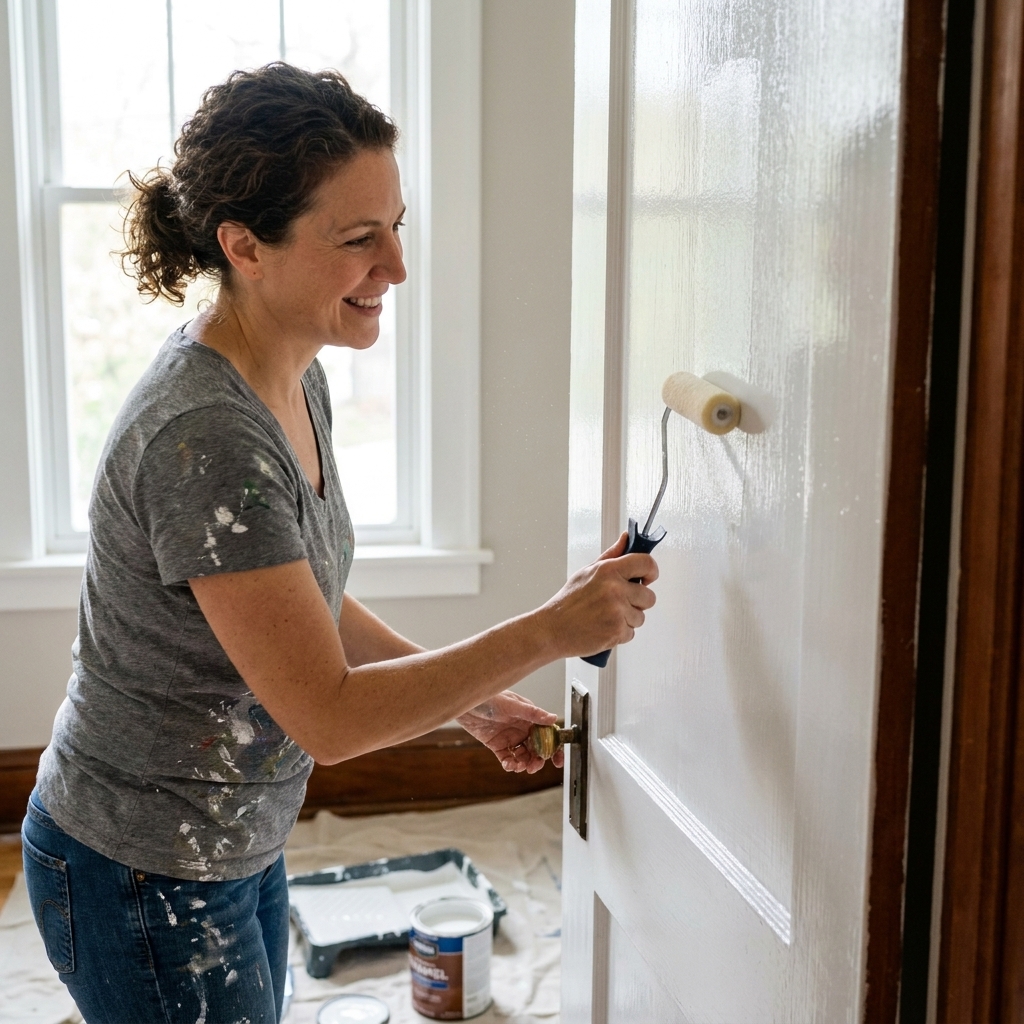
- Roller: Use a small foam roller or a microfiber mini roller with a very short nap for smoother results on flat door sections.
- Do not overwork it: Gloss shows back-brushing and repeated passes. Lay it on, tip it off, and let it level.
Paint doors in a smart order
For panel doors: panels first, then rails, then stiles. For flat doors: roll in sections and keep a wet edge. If you can remove the door and paint it horizontally, leveling is usually easier.
Common scenarios
- Older house with dented baseboards: Semi-gloss. You get wipeability without spotlighting every flaw.
- New construction with crisp trim: Semi-gloss or high-gloss, depending on how modern you want it to feel.
- Kids and pets, constant hallway traffic: Semi-gloss on trim, semi-gloss on doors, or high-gloss just on doors if you want extra pop.
- Black interior doors: High-gloss can be stunning, but be prepared for visible dust and fingerprints. Semi-gloss is a little calmer and easier to live with.
- Bathroom trim: Semi-gloss is the steady choice. High-gloss is fine if the substrate is smooth and you like the shine.
At a glance
| Feature | Semi-gloss | High-gloss |
|---|---|---|
| Look | Crisp, classic shine | Bold, reflective shine |
| Shows surface flaws | Moderate | High |
| Ease of application | Easier | More technique-sensitive |
| Touch-ups | More forgiving | More likely to flash |
| Cleaning | Very good | Excellent |
| Best for | Most trim, most doors | Statement doors, smooth surfaces |
FAQ
Is high-gloss better than semi-gloss for trim?
Not automatically. High-gloss is shinier and can be very washable, but it highlights every imperfection. Semi-gloss is usually the best balance of durability, looks, and forgiveness.
Will semi-gloss look dated?
No. Semi-gloss is a long-time standard for trim because it reads clean and intentional. What can look dated is mismatched sheen from room to room, or trim that is overly yellowed or poorly prepped.
Can I use high-gloss on baseboards?
You can, but consider your floors, lighting, and the condition of the baseboards. In many homes, high-gloss baseboards show bumps and waves that semi-gloss would quietly hide.
Do I need to prime before semi-gloss or high-gloss?
Prime bare wood, patched areas, stains, and surfaces that are very glossy or slick. When in doubt, a bonding primer on old trim can prevent peeling and help the finish look smoother.
What if my walls are matte or eggshell?
That is totally normal. Matte or eggshell walls with semi-gloss trim is a classic, high-contrast combo. High-gloss trim next to matte walls can look very modern, just be sure the trim surface is smooth enough to earn that spotlight.
My bottom line
If you want trim and doors that look crisp, clean, and easy to maintain, semi-gloss is the safest bet. If you want a more dramatic, designer-feeling finish and you are willing to prep like you mean it, high-gloss can look absolutely incredible, especially on interior doors or built-ins.
When you are torn, do one small test: paint a closet door or a short run of baseboard in each sheen. Watch it in morning light, afternoon sun, and under your lamps at night. The right sheen usually reveals itself once you see how your home’s lighting plays with the shine.