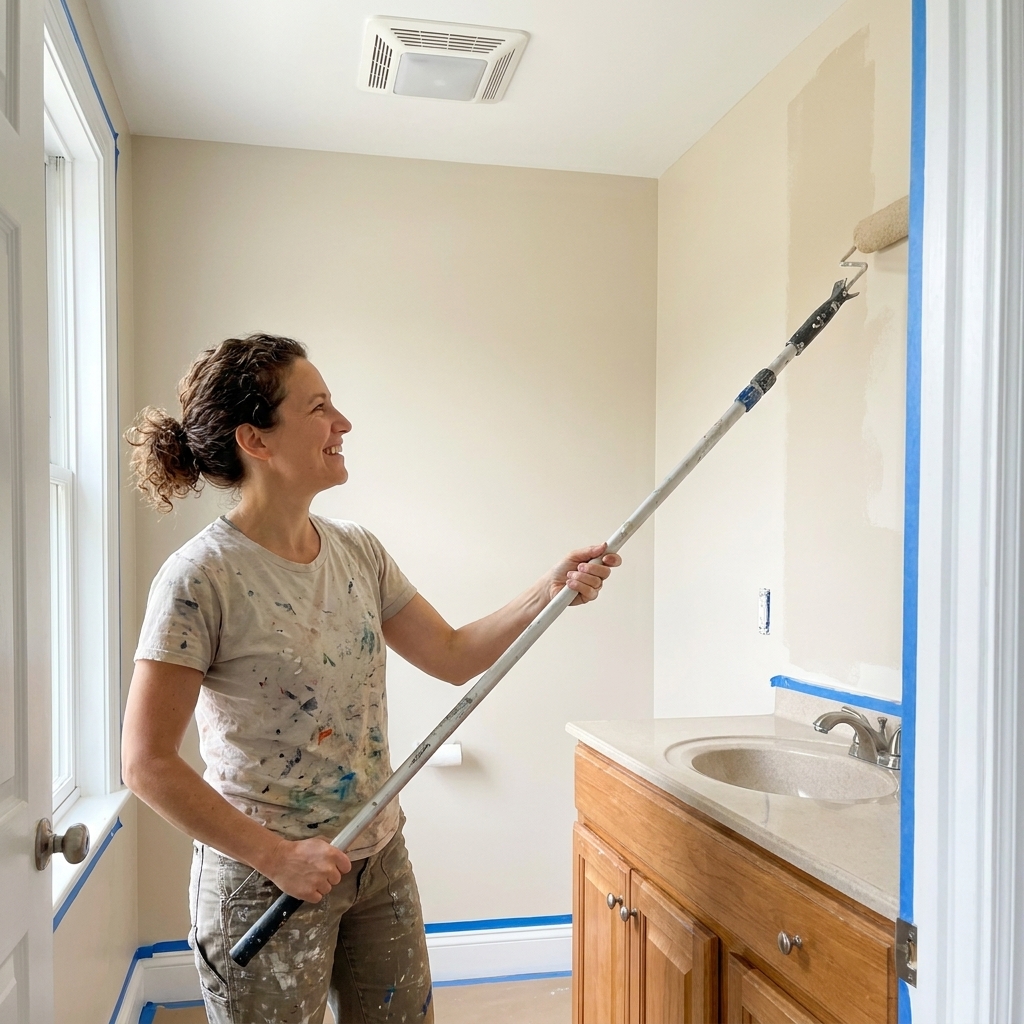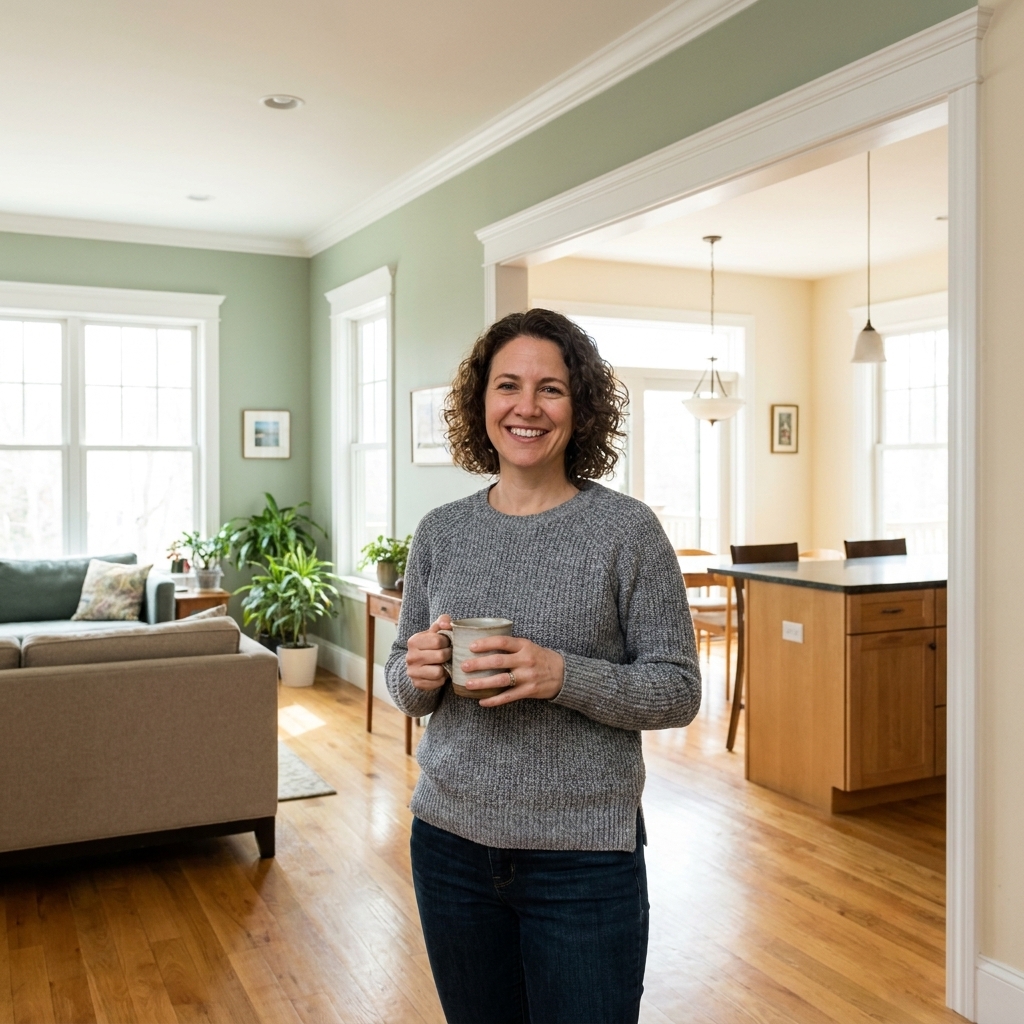
Picking a paint color is fun. Picking a finish can feel like the unglamorous homework that decides whether your walls look velvety and calm or suddenly start spotlighting every drywall patch you have ever regretted.
Paint finish, also called sheen, is basically how much light the paint reflects. More sheen usually means tougher and easier to wipe, but also more likely to highlight texture, dents, and roller marks. Less sheen is softer and hides flaws better, but it can be less forgiving when you need to scrub.
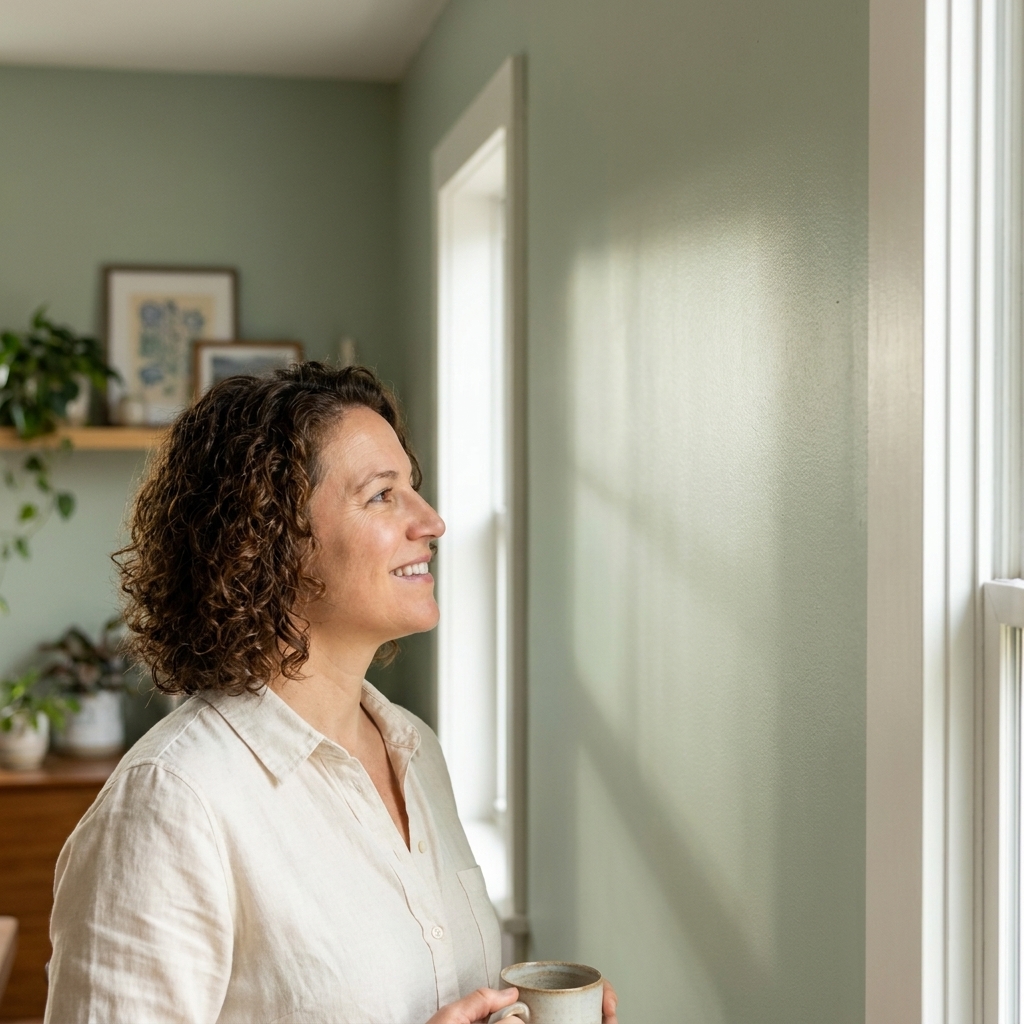
Below is the breakdown I use when I am standing in that paint aisle with a cart full of samples and a very real deadline.
Quick note before we start: Sheen names vary by brand. One company’s “matte” might be another’s “flat”, and you will sometimes see “pearl” sitting between eggshell and satin. If you can, compare sheen levels within the same paint line instead of trying to match labels across brands.
Quick cheat sheet
If you want the fast version before we nerd out, here is a practical starting point. You can bend these rules based on wall texture, kids, pets, and how much natural light your space gets.
- Ceilings: Flat or matte ceiling paint (often sold as “ceiling white”)
- Most living-space walls: Eggshell
- High-traffic walls (hallways, kids’ rooms): Satin
- Kitchens and bathrooms (walls): Satin (sometimes eggshell if ventilation is great)
- Trim and baseboards: Semi-gloss
- Doors and cabinets: Semi-gloss or high-gloss (high-gloss only if prep is excellent)
Now let’s talk about what each sheen actually does on the wall.
Flat (matte)
How it looks: Flat paint has almost no shine. It reads soft and powdery, and it does a great job of downplaying uneven drywall and patchwork.
What it is best at: Creating a calm, modern look and hiding imperfections. Flat is also the finish that makes deep, moody colors look extra rich because you are not getting shiny hot spots.
Where flat works best:
- Ceilings: My favorite place for flat. It hides roller overlaps and keeps the ceiling from visually dropping.
- Adult bedrooms: Especially if you want cozy and not overly reflective.
- Low-traffic rooms: Formal living rooms, offices, guest rooms that are not getting constant scuffs.
Where to avoid flat: Busy hallways, kids’ rooms, and anywhere you expect frequent wiping. Flat can burnish, meaning it gets shiny in spots when scrubbed. Some premium washable matte formulas are improving this, but flat is still not my first pick for a hard-working wall.

Eggshell
How it looks: Eggshell has a low, soft sheen that is just enough to feel finished but not shiny. Think of it like a gentle glow when light hits it.
What it is best at: Balancing appearance and durability. Eggshell is my default recommendation for most interior walls because it is forgiving on texture and still cleans up better than flat.
Where eggshell works best:
- Living rooms and dining rooms: Especially with standard wall texture or older drywall that is not perfectly smooth.
- Bedrooms: Great for kids and adults if you want an easy, lived-in finish.
- Home offices: It avoids glare on video calls but still feels crisp.
Tip: If your walls have patches or uneven texture, eggshell is the least risky sheen. Satin can make repairs more obvious, especially in raking light from a big window.
Satin
How it looks: Satin has a noticeable sheen, but it is not “shiny.” You will see light reflect more clearly, which can make colors feel brighter and cleaner.
What it is best at: Handling real life. Satin is a workhorse finish for walls that get touched, bumped, and cleaned often.
Where satin works best:
- Hallways, stairwells, mudroom-adjacent spaces: The places that collect fingerprints and backpack scuffs.
- Kitchens and bathrooms (walls): Satin holds up well to humidity and wipe-downs, especially in higher-quality lines.
- Kids’ rooms and playrooms: Because you will be cleaning them. Repeatedly.
Watch-outs: Satin can highlight drywall texture, roller lap marks, and imperfect patching more than eggshell. If you have strong side lighting, prep and consistent rolling technique matter a lot more.

Semi-gloss
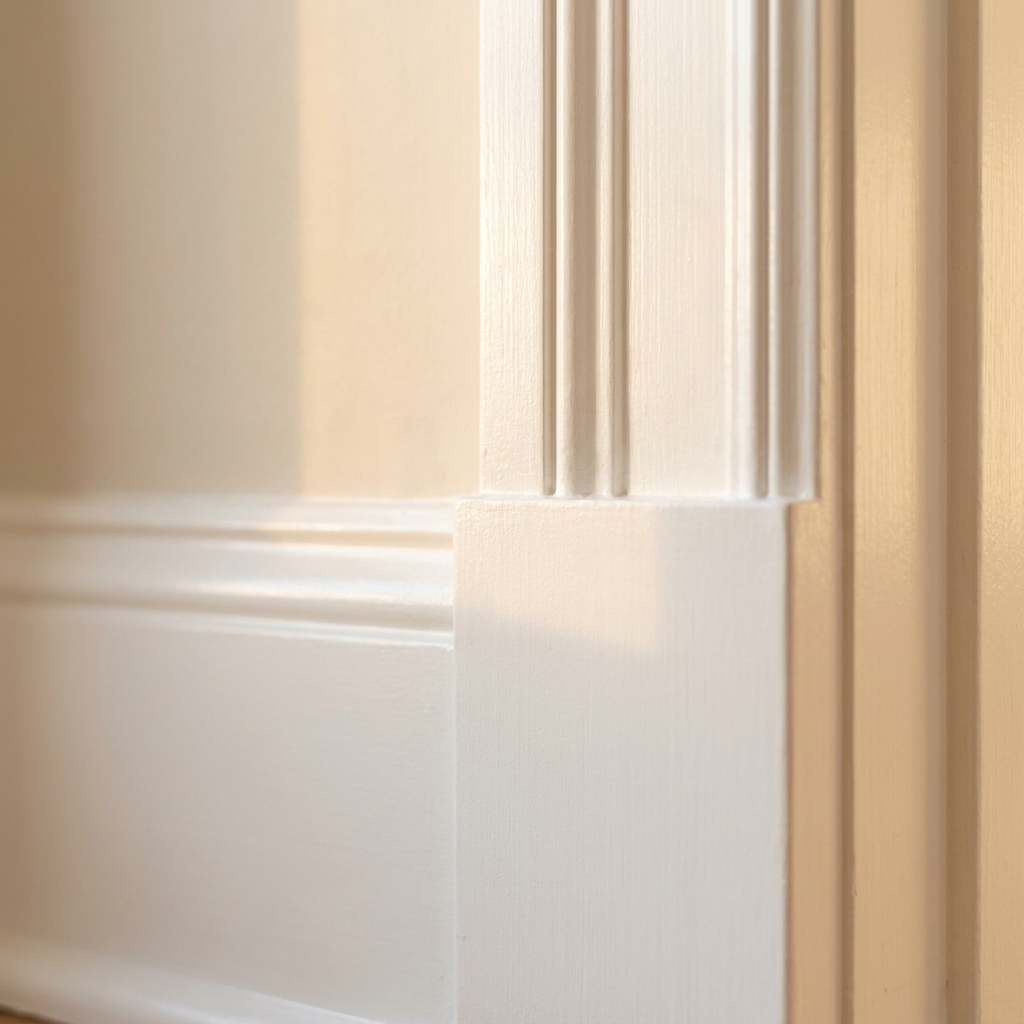
How it looks: Semi-gloss is clearly shiny. It reflects light and draws the eye, which is exactly why it is so popular on architectural details.
What it is best at: Durability and cleaning. Semi-gloss typically stands up to scrubbing well, and many formulas handle moisture better than lower-sheen paints. Product quality and proper ventilation still matter, especially in bathrooms.
Where semi-gloss works best:
- Baseboards, door casings, crown molding: It makes trim look crisp and intentional.
- Interior doors: Especially if you have kids, pets, or frequently used doors.
- Bathrooms: Great for trim in humid rooms.
Common mistake: Using semi-gloss on walls because you want “wipeable paint.” You will get wipeability, yes, but you will also get a wall that shows every bump and roller line. For most people, satin is the better compromise on walls.
High-gloss
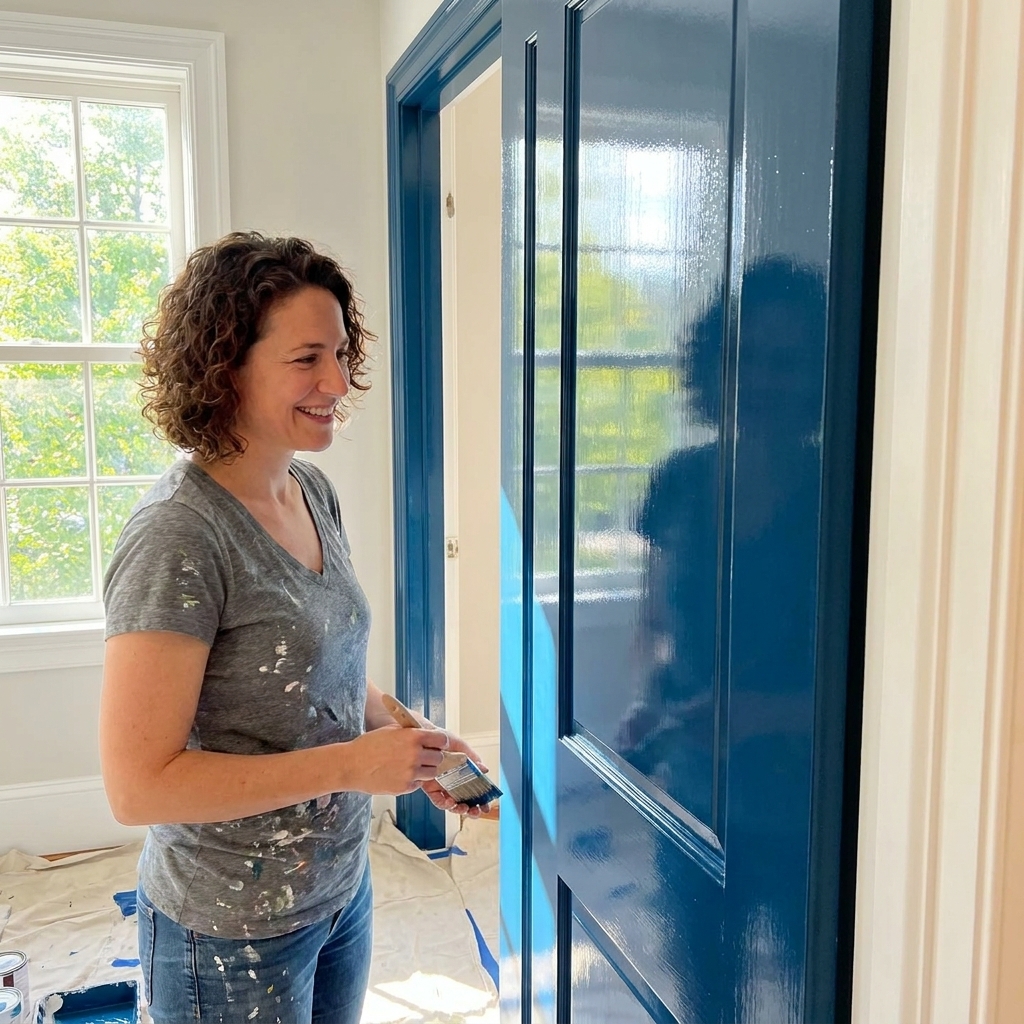
How it looks: High-gloss is mirror-like. It is striking and can look incredibly elevated, but it does not hide anything.
What it is best at: Making details pop and surviving heavy wear. High-gloss is also great when you want a lacquered, modern vibe.
Where high-gloss works best:
- Front-facing interior doors: If you want statement shine.
- Furniture and built-ins: Especially pieces you want to look more custom.
- Accent trim details: Like a picture rail or a feature doorway.
High-gloss reality check: If the surface is not smooth, high-gloss will broadcast every brush mark and dent. This finish rewards patient sanding, careful filling, and a good bonding primer.
What matters most
1) Wall texture and flaws
The shinier the paint, the more it highlights texture. If you have orange peel texture, older plaster, or a patchwork wall, lean flatter. If you have smooth, well-prepped walls, you can safely go up in sheen.
2) Lighting
The same sheen can look totally different depending on your lighting. Dim rooms and rooms with softer, indirect light often tolerate a little more sheen without feeling flashy. Spaces with strong side light (light skimming across the wall from big windows) can make satin or higher look streaky if the wall is not perfect.
3) How often you clean
Think about hands, pets, and furniture. If you know you will be wiping down the walls, choose eggshell or satin and buy the best paint you can budget for. Scrubbability is not just about sheen, it is also about paint quality.
4) The color
Darker colors often look deeper and smoother in flatter finishes. Lighter colors can look crisp in eggshell or satin. If you are painting a bold color in a high-sheen finish, expect it to look very vivid and very reflective.
Room-by-room picks
Living room
Best: Eggshell for most walls. Alternative: Satin if it is a high-traffic family space.
Bedroom
Best: Eggshell. Alternative: Flat for adult bedrooms with minimal scuffs, satin for kids’ rooms.
Hallway and stairwell
Best: Satin. These areas take a beating, and satin is easier to spot-clean without going shiny in patches as quickly as flat.
Kitchen
Best: Satin on walls, semi-gloss on trim. If you have excellent ventilation and you want a softer look, eggshell can work on walls, but expect more touch-ups around eating areas. If cooking grease and splatters are a constant, consider a kitchen-specific paint line for extra scrubbability.
Bathroom
Best: Satin on walls, semi-gloss on trim. Moisture and frequent cleaning are the deciding factors. If your bathroom gets steamy, a mildew-resistant bath paint helps, but it is not a substitute for a working fan.
Ceilings
Best: Flat or matte ceiling paint. It keeps attention on the walls and hides lap marks better.
Trim, baseboards, and molding
Best: Semi-gloss. It is durable, easy to wipe, and gives that clean outline that makes wall colors look sharper.
Doors
Best: Semi-gloss. Alternative: High-gloss for a bold, polished look if the door is in great shape and you are willing to prep.
Mixing sheens
Mixing finishes is normal. In fact, it is the classic approach: lower sheen on walls, higher sheen on trim. A few easy guidelines keep it looking intentional.
- Stick to one sheen for all walls in an open area so light reflects consistently from space to space.
- Use a higher sheen to outline architecture like baseboards and door trim. It frames the wall color.
- Avoid jumping from flat walls to high-gloss trim if the room already has a lot of glare. Flat plus semi-gloss is usually a smoother visual transition.
- If you are doing a single-color room (walls and trim the same color), vary the sheen instead: eggshell or satin on walls, semi-gloss on trim.
Application tips
Prep matters more as sheen goes up
If you are going satin or glossier, spend your time on cleaning, sanding, and filling. Shine is like a spotlight.
Use the right roller nap
For smoother walls and higher sheens, a shorter nap helps reduce stipple. For textured walls, you may need a thicker nap for coverage, but expect more texture to show.
Keep a wet edge
Lap marks show up more with sheen. Work in manageable sections, do not over-roll drying paint, and maintain a consistent rhythm.
Match sheen for touch-ups
Touch-ups can flash, meaning the patched spot reflects light differently. Using the exact same product and sheen helps, and repainting the entire wall is often the cleanest fix if the area is large.
Repainting over old paint
If you are repainting a wall that already has a sheen, remember that even small sheen differences can telegraph, especially in side light. When in doubt, repaint the whole wall (corner to corner) and stick with one paint line so the sheen is consistent.
FAQ
Is satin or eggshell better for interior walls?
Eggshell is usually best for most walls because it is forgiving and still cleanable. Satin is better for high-traffic areas and rooms that need frequent wiping, like hallways, kitchens, and kids’ spaces.
What finish is best for bathrooms?
Satin is a great choice for bathroom walls, and semi-gloss is ideal for trim. If the bathroom has poor ventilation or frequent condensation, prioritize durability and moisture resistance, and consider a bath-specific, mildew-resistant formula along with good airflow.
Can I use flat paint in a kitchen?
You can, but I usually do not recommend it. Kitchens collect grease, fingerprints, and splash marks, and flat paint is more likely to burnish or show cleaning streaks. Satin is a safer bet.
What sheen should I use on ceilings?
Flat or matte ceiling paint is the classic choice because it hides imperfections and does not bounce light around. If you have a bathroom ceiling with regular moisture, a moisture-resistant ceiling paint can be a smart upgrade.
Why does my wall look patchy after painting with satin or semi-gloss?
Patchiness is often a mix of uneven wall texture, inconsistent roller pressure, and paint drying at different rates. Higher sheen exaggerates all of it. Primer over repairs, thorough mixing, and keeping a wet edge can make a huge difference.
My safe combo
If you are overwhelmed and want a combo that works in most homes: eggshell on walls, flat or matte on ceilings, and semi-gloss on trim and doors. Swap eggshell for satin in hallways, kitchens, and baths if your walls live a hard life.
Once you pick the sheen, color suddenly feels easier, because you are no longer guessing how shiny your perfect warm white is going to look at 3 p.m. in a sunny room.