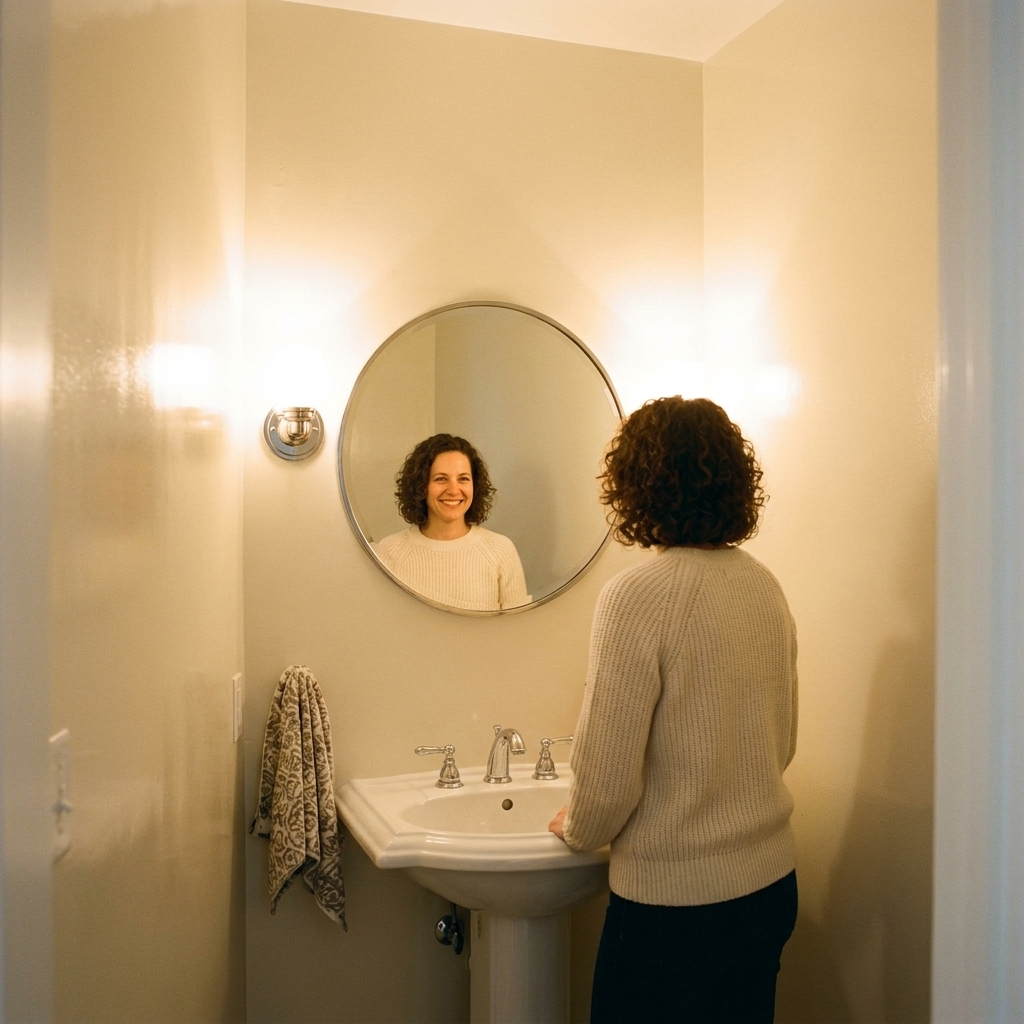
Bathrooms are small, steamy, and unbelievably hard on paint. If you have ever watched fresh paint bubble near the shower or spotted mystery peeling above the towel bar, it is usually not “bad luck.” Most often, it comes down to the wrong paint type, the wrong finish, or paint going onto a surface that was still holding moisture, soap residue, or mildew.
Sometimes, though, paint is just the messenger. Hidden water intrusion from a plumbing leak, failed grout or caulk, or unsealed drywall in splash zones can also cause bubbling and peeling. If the wall feels soft, the paper is torn, or stains keep returning, fix the moisture source and repair the surface before you repaint.
The good news is that bathroom paint has gotten dramatically better. With the right product and a little prep, you can get walls that look clean, resist mildew, and stand up to wipe-downs without going shiny in weird patches.
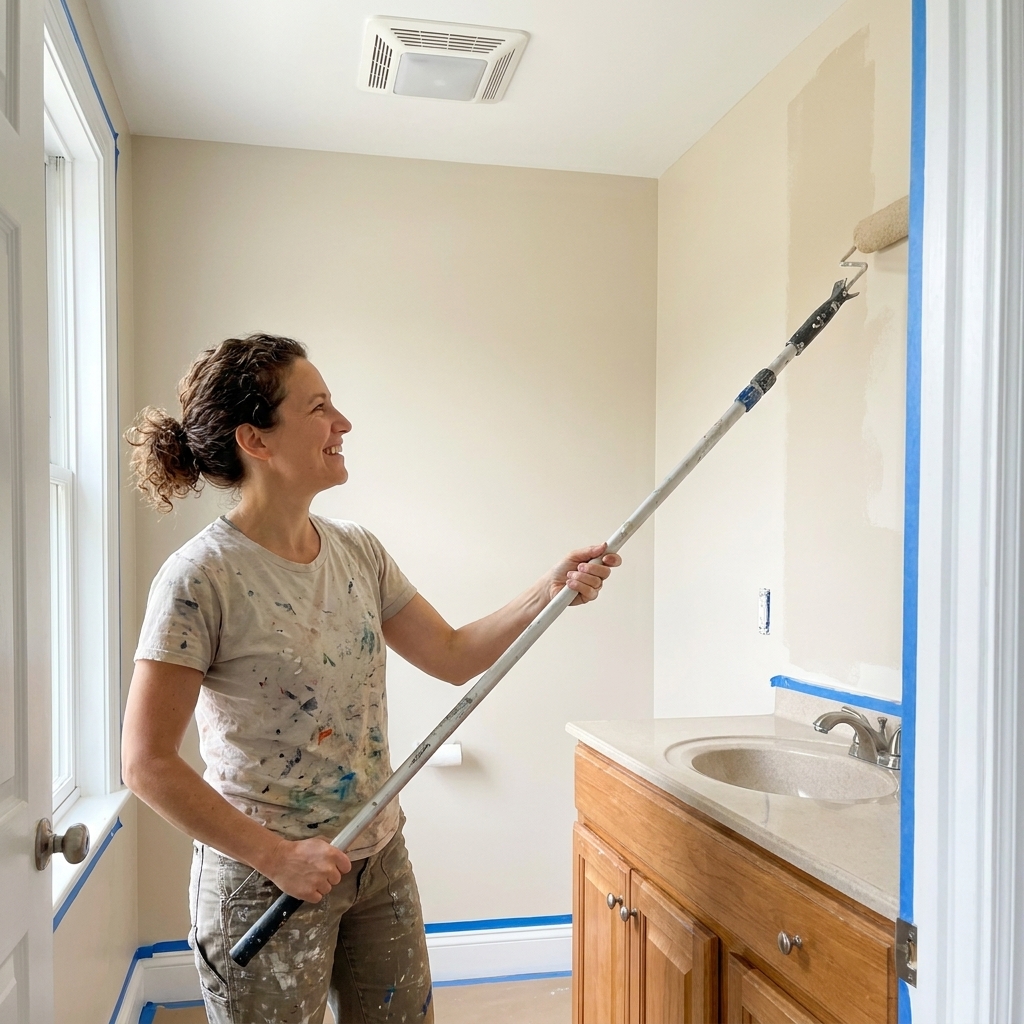
What makes bathrooms different
High-moisture rooms are stressful for paint for three main reasons:
- Humidity swings: Hot showers spike moisture, then the room cools and dries, causing expansion and contraction that can lead to cracking and peeling.
- Condensation: Water forms on walls and ceilings, especially above showers and near exterior walls.
- Frequent cleaning: Bathrooms get scrubbed. A paint that cannot handle mild cleaners will burnish, streak, or wear through.
That is why bathrooms need a finish that cleans well plus a formula that is built for humidity.
Paint type: what to buy for bathroom walls
Best overall: interior acrylic latex in a kitchen and bath formula
For most bathrooms, my go-to is a 100 percent acrylic latex labeled for kitchen and bath or bathroom use. These paints are typically formulated for higher humidity and better washability than standard wall paint, and many include mildewcide additives. Check the label if mildew resistance is important to you.
- Why it works: Good adhesion, flexible film, and better washability in a room that sees steam and wipe-downs.
- Where to use: Drywall, plaster, previously painted walls, and most ceilings (if you pick the right sheen, more on that below).
When to upgrade: steamy baths and weak ventilation
If your bathroom has no fan, a tiny fan, or a shower that turns the room into a sauna, look for paints marketed as mildew resistant or high humidity with strong scrub and wash ratings. These are often in the premium tier, and in bathrooms they usually earn their keep.
One important nuance: mildew-resistant paint helps discourage mildew growth on the paint film. It does not fix moisture problems. If the room stays damp for hours, you still need better ventilation and better habits.
A simple rule that helps: run the exhaust fan during showers and for 20 to 30 minutes after to clear out lingering moisture.
Bathroom paint vs regular paint
Some brands sell a dedicated “bathroom” line, others use “kitchen and bath.” What matters is the performance language on the label: mildew resistant, high humidity, and washable. If you are choosing between a standard interior wall paint and a kitchen and bath formula at the same sheen, pick the kitchen and bath formula for bathrooms.
Should you use oil-based paint on bathroom walls?
Almost never. Oil-based paint can be durable, but it also has drawbacks: stronger odor, harder cleanup, and it yellows over time. It is also not automatically better in constant humidity. Less vapor permeability can contribute to blistering if moisture is getting into the wall from behind.
For bathroom walls, modern acrylics are usually the best choice. Save oil or alkyd products for specific jobs like stain blocking, spot priming, or certain trim situations, and even then, today’s bonding and stain-blocking primers often cover the need.
Finish (sheen): the key to bathroom durability
Sheen is not just about shine. It is about how well the paint stands up to moisture and cleaning, and how much it highlights wall imperfections. In bathrooms, you want a finish that handles wipe-downs without spotlighting every bump in your drywall.
Best sheen for most bathroom walls: satin
Satin is the sweet spot for most bathrooms. It is washable and moisture tolerant, but still forgiving on imperfect walls. If you only remember one thing from this article, let it be this: satin on bathroom walls solves a lot of problems.
- Pros: Good washability, handles condensation well, less glare than semi-gloss.
- Cons: Shows more texture than eggshell, so prep matters.
When eggshell works (and when it does not)
Eggshell can work in a low-humidity powder room or a bathroom that is rarely used for hot showers, especially if the fan is excellent. In a full bath with daily showers, eggshell is more likely to burnish where you clean it and may not hold up as well long-term.
Semi-gloss: great in the splash zone, not always great everywhere
Semi-gloss is highly washable and moisture resistant, which makes it tempting for entire bathrooms. The tradeoff is that it reflects light and highlights wall flaws. If your walls are not smooth, semi-gloss will let everyone know.
- Where I like semi-gloss: Behind the sink, near towel hooks, and lower wall sections that get touched and wiped a lot.
- Where I avoid it: Large expanses of wavy drywall or heavy texture you do not want emphasized.
Flat and matte: possible, but pick carefully
Modern “washable matte” paints are better than old-school flat paint, but bathrooms are still a tough environment. Lower-sheen finishes tend to be less washable and more prone to moisture staining, scuffing, and burnishing. I only use them in very low-moisture spaces or on ceilings when the ventilation is strong and the ceiling stays dry.
Best choices by surface
Bathroom walls (drywall or plaster)
- Paint type: 100 percent acrylic latex, kitchen and bath or mildew-resistant formula
- Finish: Satin for most bathrooms; semi-gloss for high-touch and splash-heavy areas
Bathroom ceiling
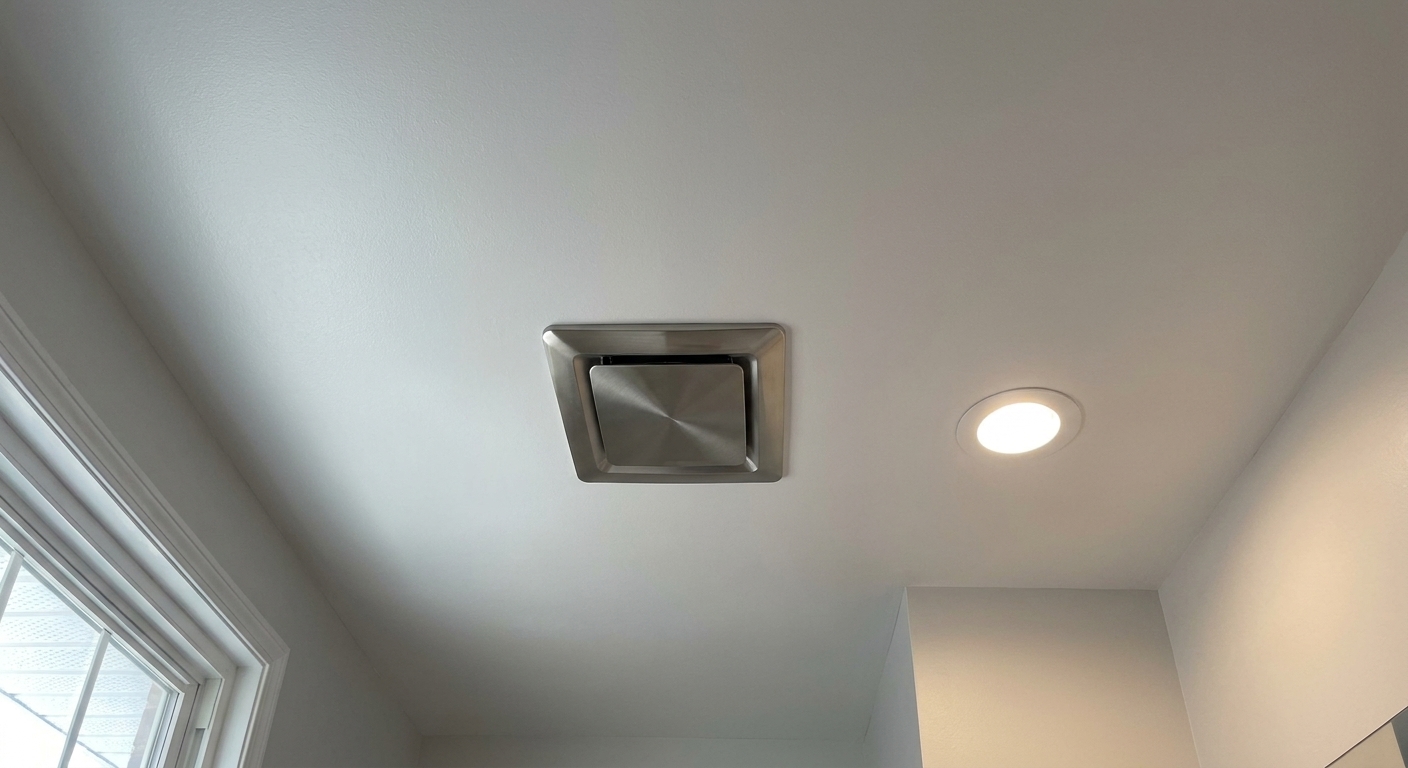
Ceilings are where people get surprised by peeling. Steam rises, lingers, and condenses. If your ceiling ever looks spotted or dusty even after cleaning, it is often mildew starting to settle in.
- Best for typical bathrooms with a good fan: A mildew-resistant ceiling paint in matte or low-sheen
- Best for steamy bathrooms or ceilings over showers: A bathroom-rated paint in satin (yes, on the ceiling) for extra moisture resistance
Satin on a ceiling will reflect more light, so it is not everyone’s favorite look. But if you have recurring peeling or mildew spotting, it is a practical fix that often beats repainting every year.
Trim, doors, and baseboards
Trim gets splashed, bumped, and cleaned the most. Use a tougher enamel finish here.
- Paint type: Acrylic enamel or urethane-reinforced acrylic trim paint
- Finish: Semi-gloss (classic) or satin (slightly softer look)
Behind toilets and around towel bars
These spots are sneaky. They get condensation, hand oils, and frequent cleaning. If you struggle with scuffs or weird shiny patches, consider bumping sheen up one level in these zones, even if the rest of the room is satin.
Mildew-resistant paint: what it does and what it cannot do
Mildew-resistant paints include additives that discourage mildew from growing on the paint film. They help, especially in bathrooms, but they are not magic.
- They help: slow mildew growth on the surface in damp conditions.
- They do not: kill existing mildew, fix chronic moisture, or prevent mold inside a wall cavity.
If you see active mildew, clean it properly, address ventilation, then paint.
Prep steps that matter in humid rooms
In bathrooms, prep is not optional. Paint will only stick as well as what is underneath it, and bathrooms collect invisible grime fast.
1) Clean like you mean it
Soap film and hair products leave a residue that can cause adhesion failure. Wash walls, especially near showers and sinks, with a degreasing cleaner. Rinse with clean water and let surfaces dry thoroughly.
2) Deal with mildew before you paint
If there is mildew, remove it first. Use a mildew remover that is appropriate for painted surfaces and follow the label instructions. Let the area dry completely.
3) Patch, sand, and de-gloss
Glossy or slick surfaces need scuff sanding so primer and paint can grip. This is also where you fix dents and dings, because higher sheens will highlight them.
4) Prime the right spots
- New drywall or patches: Prime to prevent flashing and uneven sheen.
- Stains or water marks: Use a stain-blocking primer.
- Glossy old paint: A bonding primer makes a big difference.
In bathrooms, I would rather over-prime than under-prime. It is cheaper than repainting after peeling starts.
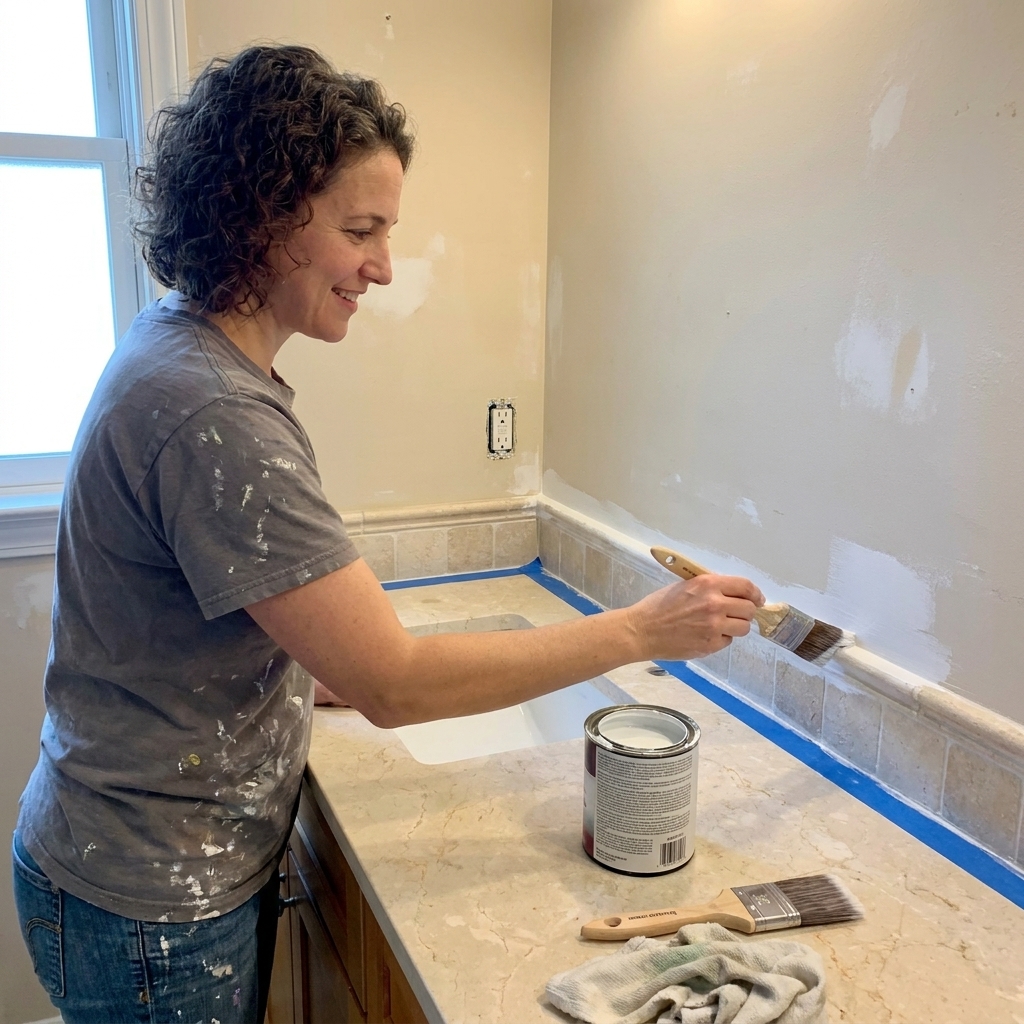
Application tips for a finish that survives steam
Let the room dry out before you paint
Paint on a day when the bathroom can stay dry and ventilated. Run the fan, open a window if you have one, and avoid showering until the paint has set up.
Use the right roller cover
For most bathroom walls, a 3/8-inch nap roller gives a smooth finish without leaving heavy stipple. Heavier nap rollers can leave more texture, which tends to trap grime and can be harder to wipe clean.
Respect cure time, not just dry time
Paint can feel dry in hours, but curing can take days to weeks depending on the product, humidity, and airflow. During that curing window, avoid harsh cleaners and try to keep showers shorter and the fan running longer.
Caulk so it gets painted
Use a paintable, mildew-resistant bathroom caulk along trim transitions and gaps where moisture can sneak in. Most of the time, the cleanest approach is to caulk after primer and before your final coat, so the caulk gets painted and blends in. If you caulk after painting, make sure you still paint the caulk or it can look dingy over time and be harder to clean evenly.
Quick picking guide
- Standard full bath with a decent fan: Acrylic kitchen and bath paint in satin on walls; mildew-resistant ceiling paint (matte or low-sheen).
- Very steamy bath or weak ventilation: Premium mildew-resistant acrylic in satin on walls; consider satin on the ceiling too.
- Powder room: Eggshell can work, but satin still cleans easier if you have kids or lots of guests.
- Trim and doors: Acrylic enamel in semi-gloss or satin.
Bathroom paint mistakes I see all the time
Using flat paint because it hides wall flaws
It does, until steam and cleaning make it blotchy. In bathrooms, a slightly higher sheen is usually the better long-term choice.
Skipping cleaning and painting over soap film
This is a peeling recipe. If paint can lift with a fingernail near the shower, contamination is often the culprit.
Not priming patches
Bathrooms love to show flashing. Prime patches so the sheen stays even and the finish looks intentional.
Turning the shower on too soon
If you trap humidity in a room while paint is still curing, you are asking for soft paint and early failure. Give it time.
Painting when the wall is the problem
If peeling keeps coming back in the same spot, suspect a leak, failing caulk or grout, or moisture getting behind the paint. Repair the source and fix the substrate first, then paint.
FAQ
Is semi-gloss best for bathrooms?
It is one of the most moisture tolerant and washable sheens, but it is not automatically “best” everywhere. For most bathrooms, satin is the best blend of durability and forgiving appearance. Use semi-gloss in splash-heavy or high-touch areas if you want maximum wipeability.
What paint prevents mildew in bathrooms?
Look for paints labeled mildew resistant or kitchen and bath. They help discourage mildew on the paint film, especially when paired with good ventilation and regular cleaning.
Can I paint a bathroom with regular interior paint?
You can, but in a full bath it is a gamble. Regular paint may work in a powder room, but for showers and daily humidity, a bathroom-rated acrylic formula is worth it.
Should I use a special primer in a bathroom?
Prime new drywall and patches, use stain-blocking primer over water marks, and use bonding primer over glossy surfaces. If you are repainting a clean, sound satin wall with another satin bathroom paint, you may not need full priming, but spot priming repairs is still smart.
Can I paint inside a shower or tub surround?
Standard wall paint is not meant for constant water contact. If a surface gets direct spray or stays wet, you are usually better off with tile, a manufactured surround, or a specialty refinishing system designed for that use.
My simple rule for bathroom paint
If the room regularly gets steamy, choose a bathroom-rated acrylic paint and default to satin on the walls. Then do the unglamorous stuff: clean well, sand lightly, prime patches, and give it real cure time. Those steps are what keep your beautiful new color from turning into a peeling science experiment.