Upcycling is one of the fastest ways to change the vibe of a room without touching the walls. Paint a side table, a mirror frame, a set of mismatched dining chairs, and suddenly the whole space looks intentional. The tricky part is choosing the right paint for the piece in front of you.
Chalk paint and mineral paint get lumped together because both are popular for “no fuss” furniture makeovers. In real life, they can have different prep needs, different grip on slick surfaces, and a different final texture. Here is how I decide which one to use when I want a finish that looks great and holds up to actual living.
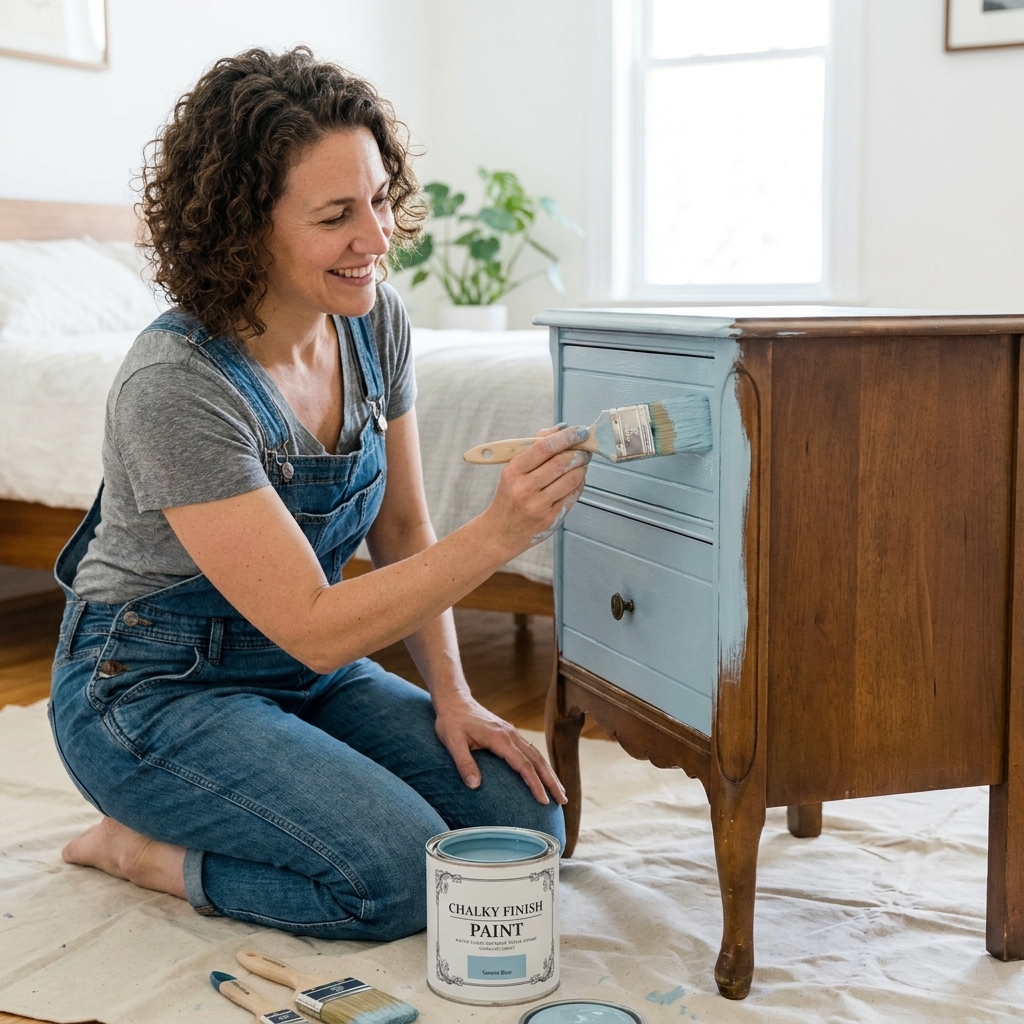
Quick definitions
What people mean by chalk paint
Chalk paint is a furniture and craft paint known for a velvety, ultra-matte look and an easygoing application. Many formulas are thicker than wall paint, self-level less, and intentionally dry to a soft, chalky finish. It is usually sealed with wax or a clear topcoat for protection.
What mineral paint usually is
“Mineral paint” for furniture is a marketing umbrella, not one single chemistry. Many are water-based paints that use mineral fillers (like limestone, clay, or other mineral powders) to affect body, coverage, and sheen. Some brands also use mineral-silicate chemistry. What they typically have in common is a matte to low-sheen look and a finish that is meant to cure into a tighter, less powdery surface than classic chalk paint.
Important nuance: The exact formula varies by brand. Always read the technical sheet for dry time, cure time, and recommended prep, especially if you are painting laminate, metal, or a surface with unknown old finishes.
Prep basics
If you have ever painted a “quick” piece that started scratching off around the drawer pulls a week later, you already know the truth: prep is not optional, it is just adjustable. The paint can only hold as well as the surface underneath it.
Chalk paint prep
Chalk paint is famous for sticking to a lot of surfaces with minimal sanding, and that can be true on clean, lightly scuffed wood. But it is not magic on glossy finishes, laminate, or oily woods.
- Clean first, always: Wash with a degreaser or a strong soap solution, then rinse and let dry. Kitchen pieces are usually the worst offenders.
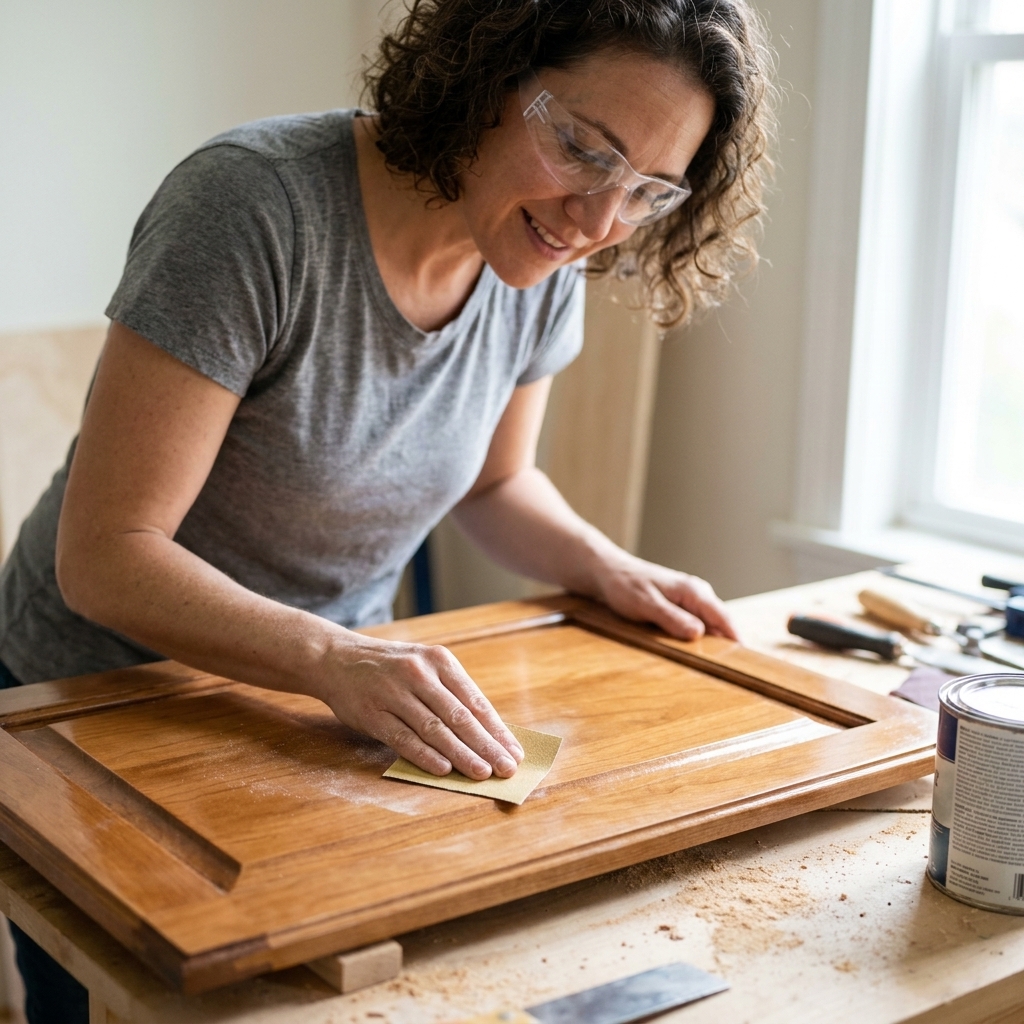
- De-gloss if it is shiny: A light scuff sand (150 to 220 grit) is often enough. You are not removing finish, you are creating tooth.
- Prime for bleed-through: If you see knots, dark wood, or old stains, plan on a stain-blocking primer. Chalk paint does not automatically stop tannins.
- Plan a sealer: Wax or a water-based polyurethane is part of the system for most chalk finishes, especially on tabletops and chairs.
Mineral paint prep
Mineral paint can be surprisingly forgiving, but it still rewards good prep with fewer surprises. The payoff is often a harder-feeling finish and less reliance on wax.
- Clean thoroughly: Same rules. Grease and polish residue are adhesion killers.
- Scuff sand glossy surfaces: Even if the label says “minimal prep,” I still scuff anything slick. Factory finishes can defeat any water-based paint without tooth.
- Prime when the surface is risky: Laminate, metal, and high-tannin woods often do best with a primer first.
- Topcoat can be optional: Some mineral paints are marketed as topcoat-optional for light to moderate wear, but it is still brand-dependent and depends on cure time and prep. High-wear surfaces benefit from a clear coat no matter what the label says.
Adhesion by surface
Adhesion is where DIY projects either last for years or start chipping at the first bump. Your surface matters as much as your paint choice.
On raw or previously painted wood
- Chalk paint: Usually grips well after cleaning. It can feel grabby with a brush, which is great for coverage but can leave texture.
- Mineral paint: Also grips well. It often levels a bit more smoothly and cures into a denser film, which can help resist scratches.
On glossy varnish, lacquer, or factory finishes
- Chalk paint: Can adhere if you scuff and clean, but it can be more likely to chip at edges if the underlying surface is very slick and you skip primer.
- Mineral paint: Often performs better long-term when paired with scuff sanding. For truly slick finishes, I still lean on a bonding primer first, regardless of paint type.
On laminate and melamine
This is the “please do not skip prep” category.
- Chalk paint: Can work, but it is a common scenario where I see peeling if the piece gets daily use.
- Mineral paint: Often the stronger choice, but I still recommend a bonding primer for confidence, especially on cabinet-grade melamine and flat-pack pieces.
On metal (legs, hardware, accents)
- Chalk paint: Can stick for decorative items, but it is easier to scratch without a tough topcoat.
- Mineral paint: Often more durable, but metal benefits from scuffing and a primer meant for metal to prevent rust bleed and improve grip.
Look and feel
When people say they love chalk paint, they are often talking about the look. When people love mineral paint, they are often talking about the finish after a month of use.
Chalk paint texture
- Sheen: Very matte, often the flattest finish you can get on furniture paint.
- Feel: Velvety, slightly powdery until sealed.
- Brush marks: More likely, especially with a thick coat or a stiff brush. You can minimize this with thin coats and a soft synthetic brush.
- Distressing: Easier to distress intentionally because the paint sands and rubs back nicely.
Mineral paint texture
- Sheen: Matte to low-sheen. Usually looks tighter and more modern, not dusty.
- Feel: Smoother and denser once cured.
- Brush marks: Often fewer, but not nonexistent. Using the right roller and not overworking the paint makes the biggest difference.
- Distressing: Still possible, but it generally takes more effort once the paint has cured hard.
Durability and care
Chalk paint durability
Unsealed chalk paint is easy to scuff and can absorb oils. If you love the chalk look, that is fine, you just need to protect it.
- Best protection: A water-based polyurethane for most furniture. Wax looks beautiful but is less resistant to water, heat, and stronger cleaners than a film-forming topcoat, and it can need touch-ups over time.
- Cleaning: Gentle. Avoid harsh cleaners, especially on waxed surfaces.
Mineral paint durability
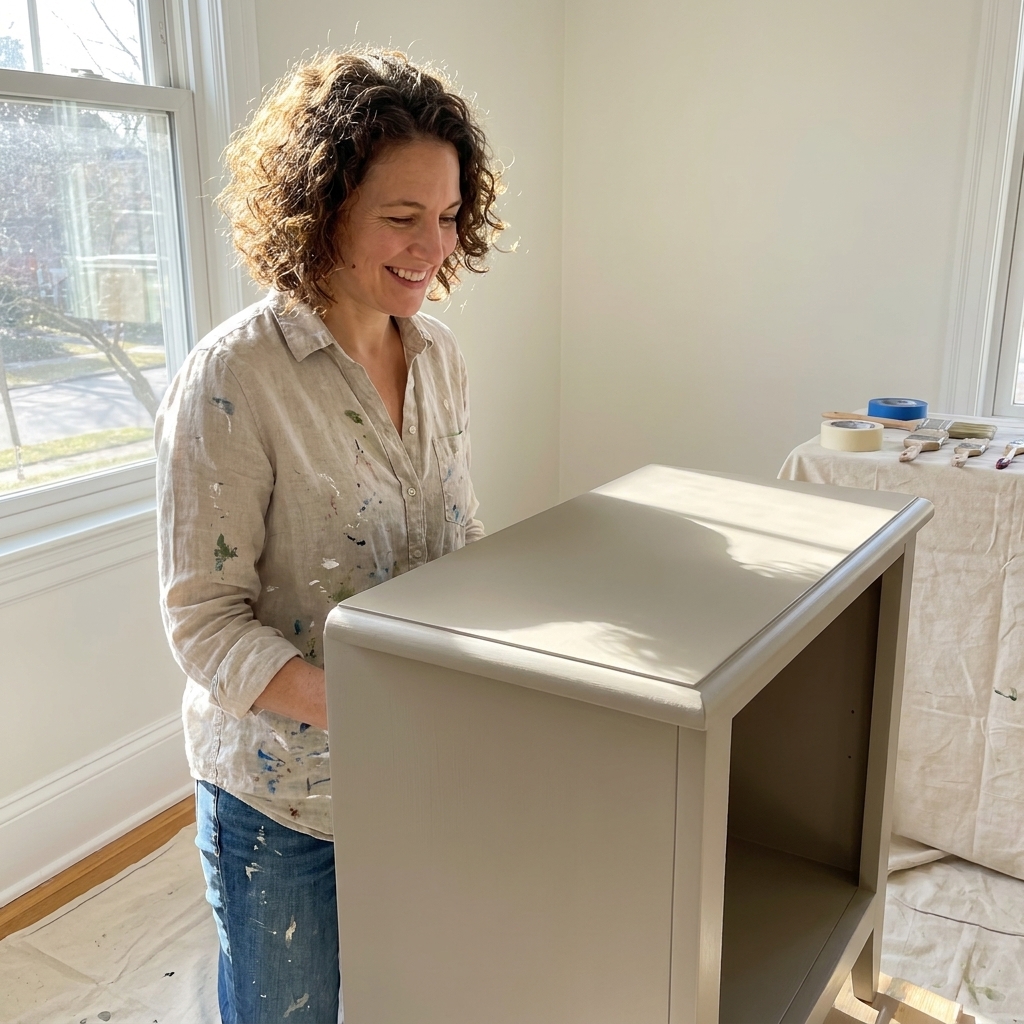
Many mineral paints cure into a harder-feeling finish than chalk paint protected with wax alone. That said, a chalk-paint piece sealed with a quality water-based poly can be extremely tough. It is less about the label and more about the full system: prep, paint, cure time, and topcoat choice.
- Topcoat decisions: For dressers, frames, and decorative accents, you can often skip a topcoat if the manufacturer says it is optional and you give it full cure time. For tabletops, bar carts, and chair seats, a clear coat is still a smart upgrade.
- Cleaning: Usually easier once cured. Mild soap and water is often fine after full cure.
Reminder that saves heartbreak: Dry to the touch is not cured. Many furniture paints are ready for light handling in 24 to 72 hours, but full cure can take 7 to 30 days depending on the brand, humidity, and how thick you painted. Treat freshly painted pieces gently at first.
My pick for accents
Here is my real-world cheat sheet, the one I use before I open a can.
Choose chalk paint if you want
- A cozy, vintage, ultra-matte look
- Easy distressing and layered effects
- Great coverage on detailed pieces like frames and carved legs
- A finish you are willing to seal and baby a little
Choose mineral paint if you want
- A smoother matte finish that feels more finished without wax
- Better scratch resistance on many pieces, especially when fully cured
- Fewer touch-ups around knobs and edges
- A simpler maintenance routine once cured
My process (so it lasts)
If you take nothing else from this: most peeling problems are really cleaning problems, not paint problems. This is my dependable routine for interior furniture and accents.
- Remove hardware and label it in a bag.
- Degrease with a cleaner that cuts oils. Rinse and let dry fully.
- Scuff sand glossy surfaces with 150 to 220 grit. Vacuum and wipe off dust.
- Prime when needed: Use a bonding primer for laminate, melamine, and slick factory finishes. Use a stain-blocking primer for bleed-through risks like oak tannins, knotty pine, or old water stains.
- Paint thin coats. Two to three thin coats beat one thick coat every time.
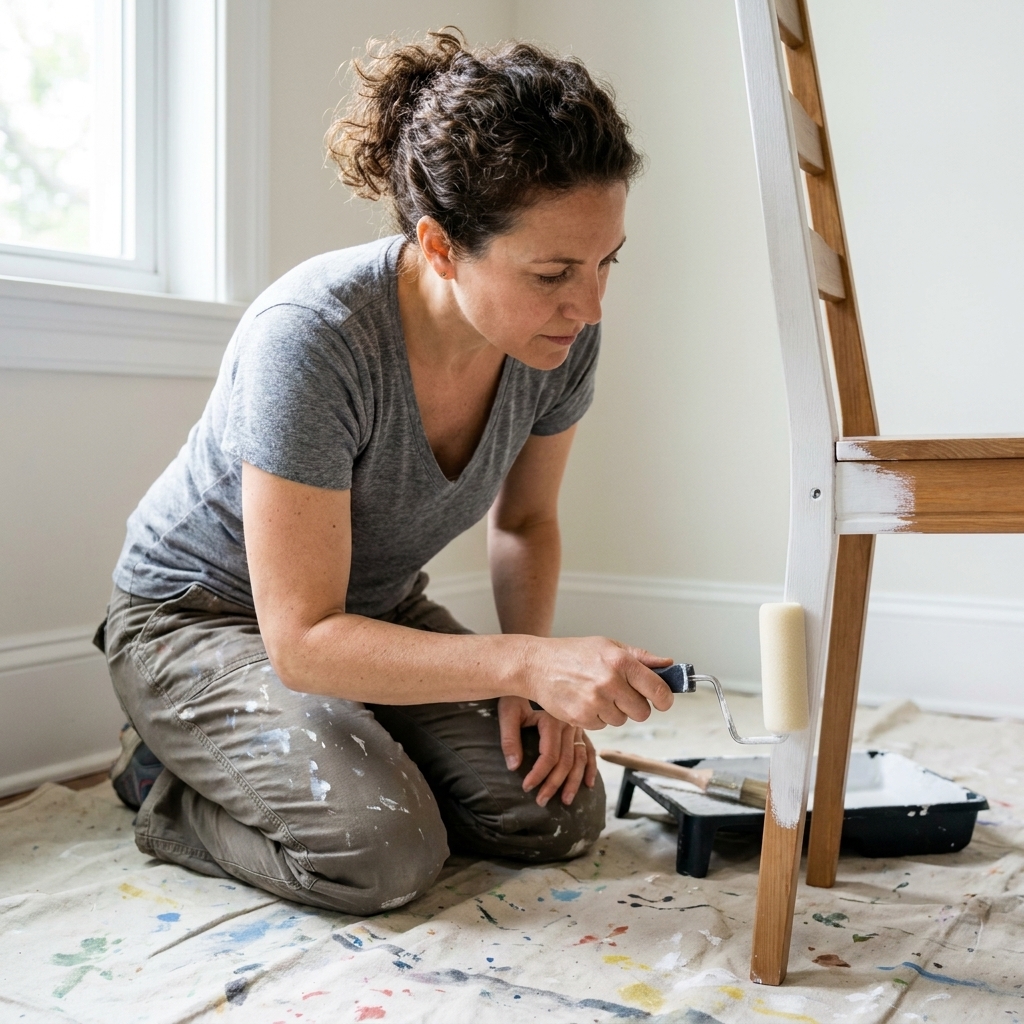
- Use the right tools: A nylon or polyester brush works well for water-based furniture paints. A small microfiber roller can help you get a smoother finish on flat surfaces. Foam rollers can look smooth too, but they can sometimes create bubbles if you press too hard or roll too fast.
- Let it cure before heavy use. Be gentle for the first week and avoid stacking items on the surface.
- Topcoat smartly: High-wear surfaces get a durable clear coat, even if the paint claims it is tough.
Safety notes
Furniture painting is pretty low drama, but a couple safety habits are worth making automatic. Work in a well-ventilated space, wear gloves when degreasing or using primers, and consider a respirator if you are sanding a lot of old finish or using strong stain-blocking primers.
If you are refinishing older furniture and you suspect the piece may have very old paint (especially anything from before 1978), treat it like potential lead paint until you know otherwise. Avoid dry sanding or creating dust, and follow local guidance for testing and safe removal.
Color undertones
Because these paints are often very matte, undertones can look stronger than you expect, especially in warm lamplight.
- Warm whites: Can read creamy or yellow at night. Test near where the piece will live.
- Grays: Matte grays can swing purple or green depending on your flooring and bulbs.
- Deep colors: Navy, forest, and black can look especially rich in many mineral paints because the finish can cure up dense. Chalk paint can look softer and more washed, which is perfect if you want that effect.
If you are painting accents to work with your walls, hold your swatches next to the painted sample on the furniture, not just next to the wall. The texture difference changes how your eye reads the color.
FAQ
Do I have to sand before using chalk paint?
Not always, but you should almost always clean and lightly scuff glossy surfaces. If the piece is shiny, laminated, or heavily handled, sanding and possibly priming will save you from chips later.
Do I need a topcoat over mineral paint?
Sometimes. For dressers, frames, and decorative accents, many brands hold up well without a topcoat once fully cured, but “topcoat-optional” is still conditional. For tabletops, chair seats, and anything that will get wiped often, a clear coat is still a smart upgrade.
Why does my chalk paint feel rough or streaky?
Usually one of three things: painting over dust, using coats that are too thick, or overbrushing as it starts to dry. Thin coats, a good brush, and a light sand between coats (once fully dry) can smooth it out.
What is the best paint for a high-traffic piece like dining chairs?
If you want my practical pick: mineral paint plus proper prep, and I would still consider a durable clear topcoat on the seat and top rail. Chairs get knocked, grabbed, and cleaned constantly.
Bottom line
Chalk paint is the cozy, forgiving option when you want a soft matte look, charming texture, and easy distressing, as long as you are willing to seal it and treat it gently. Mineral paint is my choice when I want that same matte vibe but with a tighter, harder-wearing finish, especially on pieces that get handled every day.
Whichever you choose, the best upgrade you can give your project is boring but powerful: a real degrease, a quick scuff sand, the right primer when the surface calls for it, and enough cure time before you put the piece back to work.