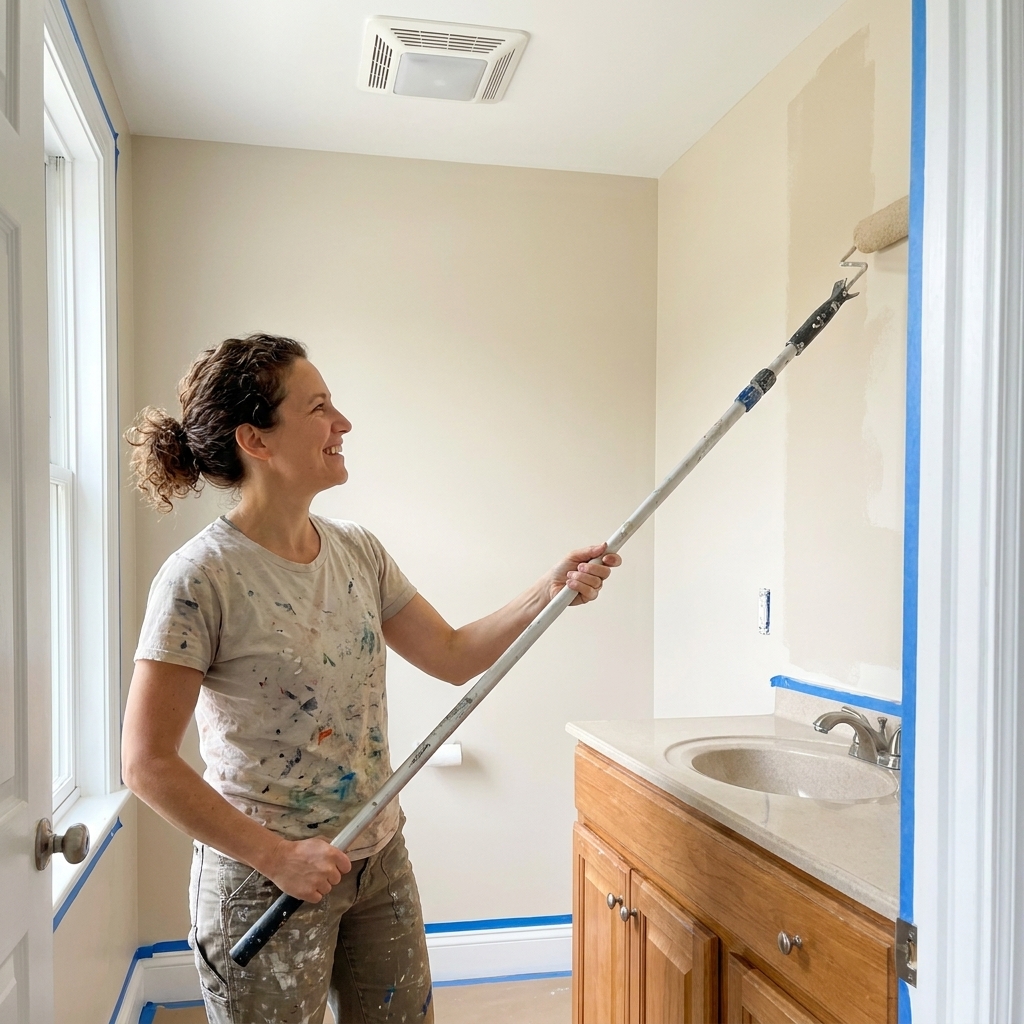
If your walls have a little history (old nail holes, patches that never blended, subtle waves you only notice at sunset), flat wall paint can be your best friend. It is the quietest finish in terms of sheen, meaning it reflects the least light. That is exactly why it can make imperfections fade into the background.
But flat is not a magic eraser. It is a strategic choice. Used in the right rooms and on the right walls, it can make a space feel smoother and more elevated overnight. Used in the wrong spot, it can drive you crazy with scuffs and fingerprints. Let’s break down when flat paint shines by not shining at all.
What flat means
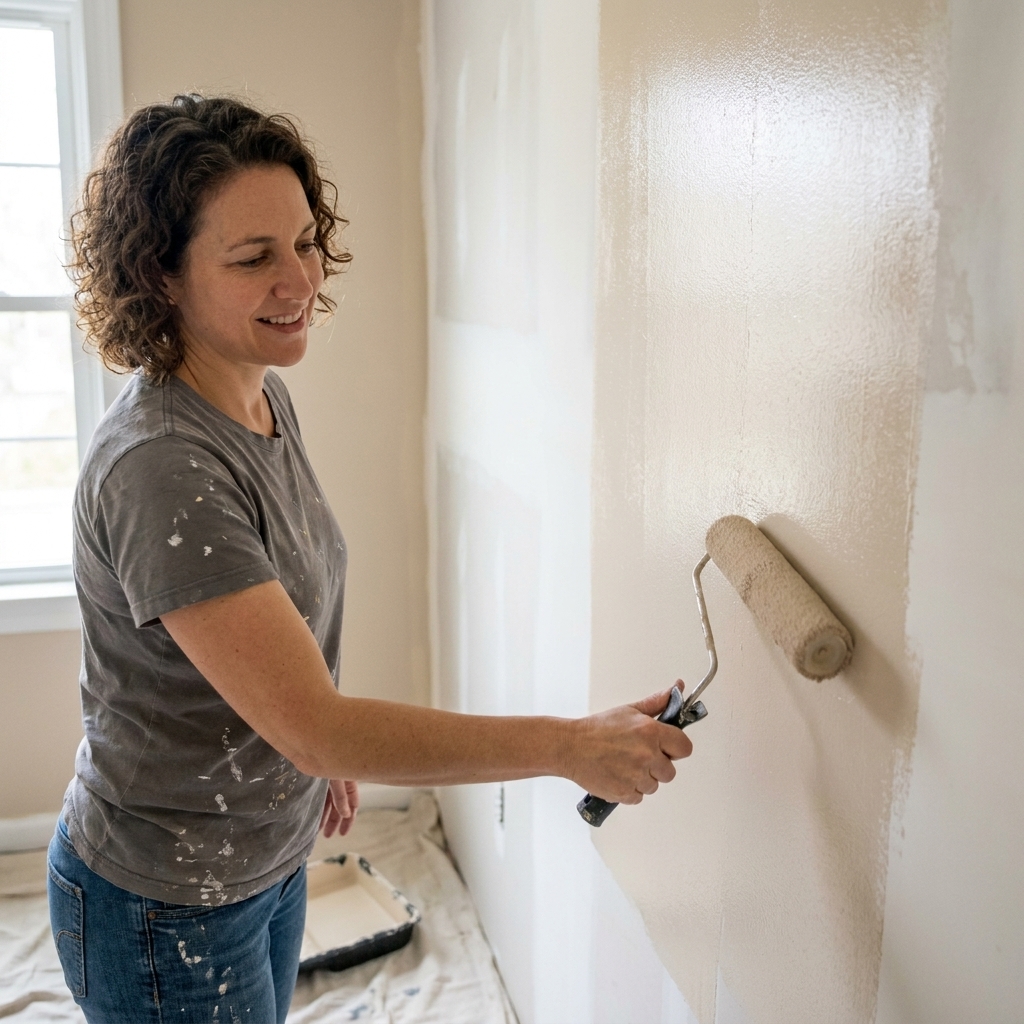
Paint sheen is basically how much light the dried paint film reflects. The more reflective the finish, the more it behaves like a tiny mirror, and mirrors love to show texture.
Flat paint has little to no shine, so it reflects less light and does it more diffusely. That matters because most drywall “imperfections” are really shadow problems. When light hits a wall at an angle, it creates highlights and shadows that exaggerate bumps, ridges, roller stipple, and patch edges.
With flat paint, those highlights are muted, and the wall reads as calmer and more uniform from across the room.
Flat vs. matte
They are close cousins. Many brands label their lowest-sheen option as either “Flat” or “Matte,” and the exact sheen level varies by manufacturer.
- Flat is typically the least reflective and best at disguising uneven surfaces.
- Matte is often just a touch more washable and slightly more reflective, but still very forgiving compared to eggshell or satin.
If you are choosing specifically to hide drywall flaws, flat usually wins. If you want almost-flat with a little more durability, matte is often the compromise.
Best times to use flat
Flat paint is a pro move on walls that are “fine” but not perfect. Think older homes, rushed repairs, or builder-grade drywall that was never meant to be inspected in raking light.
1) Older walls with patches
Older walls tend to have a mix of textures: original drywall paper, skim-coat areas, patched holes, and sometimes a little sanding that did not fully feather out. Flat paint helps those transitions blend so your eye stops catching on every repair.
2) Strong side lighting
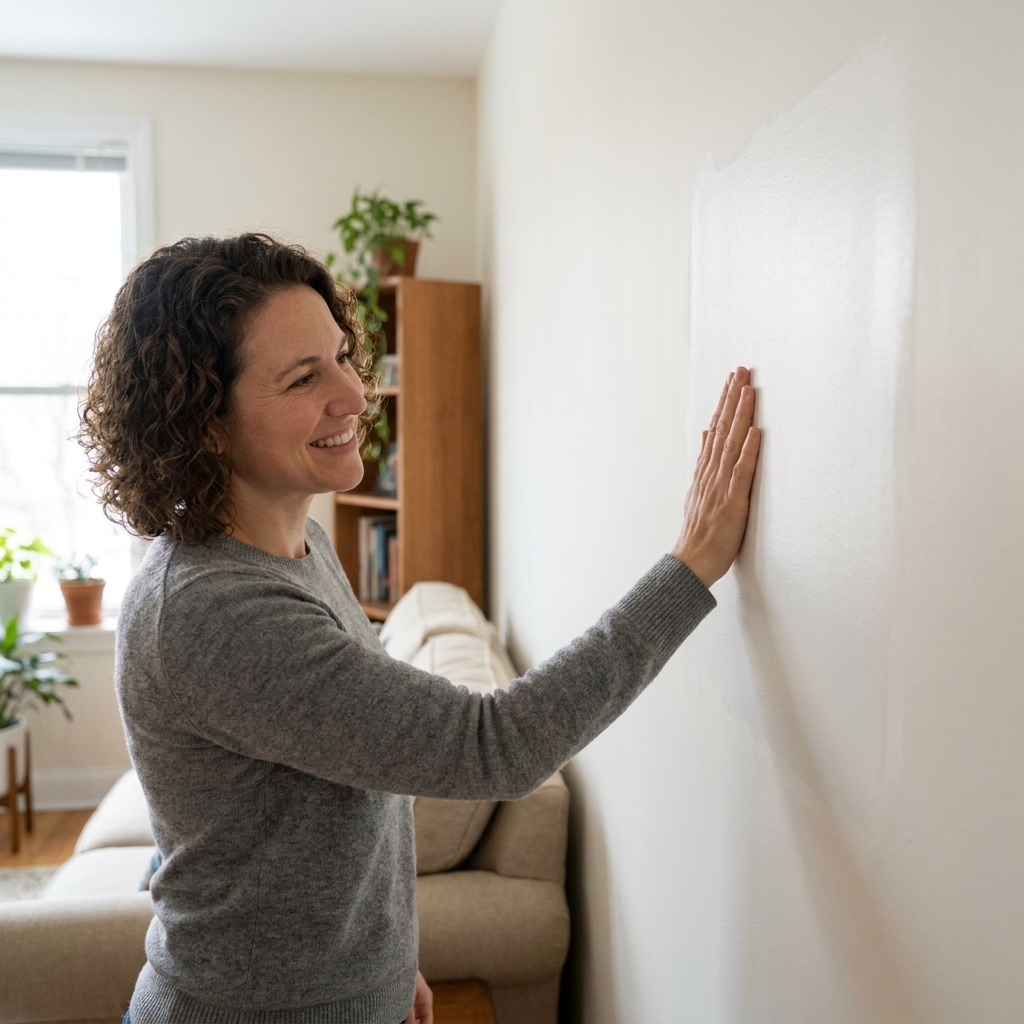
Side lighting is the big one. If you have a window that runs along the wall, or recessed lights washing down at an angle, you have what painters call raking light. It is beautiful and dramatic, and it will also reveal every seam, ridge, and roller texture like it is auditioning for a close-up.
Flat paint reduces the contrast between highlights and shadows, so you see less “texture drama,” especially in the late afternoon when the sun gets low.
3) Ceilings
Ceilings are typically painted flat for a reason. Flat hides tape seams, slight waves, and patched areas better than any shinier finish. It also visually lifts the ceiling because you do not get distracting glare.
That said, there are exceptions. In humid bathrooms, busy kitchens, or on ceilings that need frequent wiping, a bathroom-rated or washable formula with a bit more sheen is sometimes the smarter call.
Flat is also great for:
- Tray ceilings
- Vaulted ceilings
- Ceilings with lots of drywall joints
- Older plaster ceilings with subtle movement
4) Low-traffic adult spaces
Flat is happiest where hands do not constantly touch the walls. It is a strong choice for:
- Primary bedrooms
- Guest rooms
- Formal living rooms
- Home offices (especially behind a desk setup)
In these spaces, you get the smoothing, velvety look without constantly fighting scuffs.
When flat is not right
Flat paint’s superpower (low reflectivity) is tied to its weakness: it is generally less scrub-friendly than eggshell, satin, or semi-gloss. Some premium “washable flat” formulas perform much better than old-school flats, but the finish is still more likely to show burnishing, shiny rub marks, or scuffs after aggressive cleaning.
Avoid flat here
- High-traffic hallways where shoulders, bags, and hands graze the wall
- Kids’ rooms if your little artist likes to “park” crayons on vertical surfaces
- Stairwells where people steady themselves with a palm on the wall
- Kitchen walls exposed to splatters and frequent wiping
- Bathrooms with frequent steam (especially without strong ventilation)
If you need durability and you are trying to hide imperfections, consider matte or eggshell, then focus extra attention on prep and primer so the wall surface is as even as possible.
Flat vs. other sheens
If your main goal is disguising unevenness, here is the general rule: the shinier the paint, the more it telegraphs texture.
| Finish | How it hides imperfections | Where it typically works best |
|---|---|---|
| Flat | Best at hiding patches, ripples, and sanding marks | Ceilings, adult bedrooms, low-traffic living spaces, imperfect walls |
| Matte | Very good, slightly more reflective than flat | Living rooms, bedrooms, dining rooms, many “whole-home” wall jobs |
| Eggshell | Moderate, can reveal patch edges in side lighting | Hallways, family rooms, rentals where washability matters |
| Satin | Least forgiving of common wall flaws | Trim-adjacent walls in busy homes, kids spaces, some kitchens |
| Semi-gloss and gloss | Will highlight almost everything | Trim, doors, cabinets, not typical for broad wall areas |
Prep for a smooth look
I love flat paint for problem walls, but I love prep even more. Flat can hide subtle texture issues, but it will not hide a ridge from unfeathered spackle or a glossy spot where you skipped sanding. If you want the finish to look intentional, treat the surface first.
Step 1: Check in harsh light
Turn off the overheads, then shine a bright lamp or flashlight along the wall at a low angle. This mimics raking light and exposes:
- Patch outlines
- Raised drywall tape seams
- Roller texture differences
- Drips and old paint ridges
Step 2: Feather patches wider
The most common DIY patch issue is a repair that is technically smooth, but ends abruptly. Feather your compound outward so the transition is gradual. A wide drywall knife helps, but even a flexible putty knife can work if you build thin layers.
Step 3: Sand and clean up
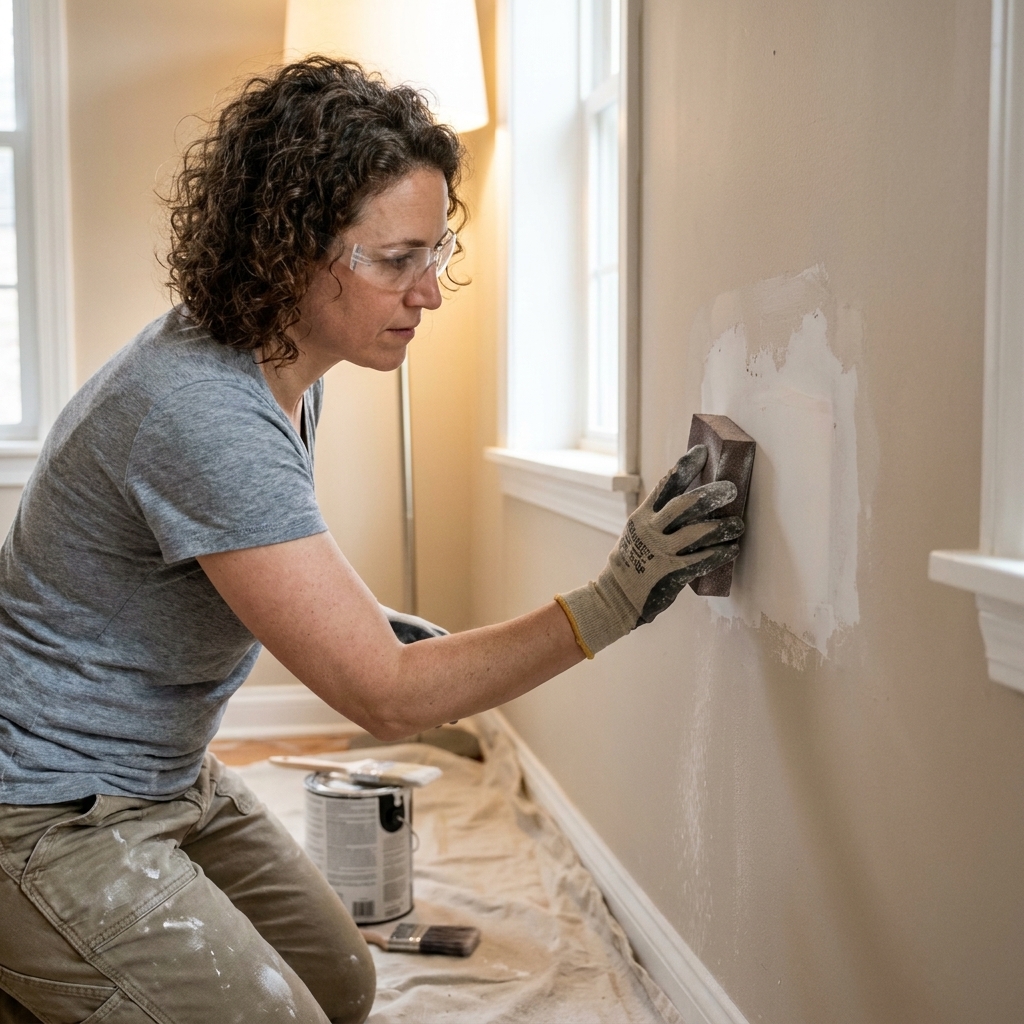
Use a pole sander or sanding sponge for control. The goal is not to sand through the wall, it is to remove edges and high spots. After sanding, vacuum the dust and wipe with a barely damp microfiber cloth. Paint does not like clinging to chalky drywall dust.
If you are sanding existing paint in an older home, take a moment to think about safety. Homes built before 1978 may have lead-based paint. Use lead-safe practices (and consider testing) before you start creating dust.
Step 4: Prime repairs
Fresh compound is thirsty and porous. If you paint it without primer, you often get flashing, which is when repaired spots look duller or slightly different in sheen compared to the surrounding wall.
For small patches, a quick-drying drywall primer works well. If your wall has a lot of repairs, a full coat of primer over the entire wall gives the most uniform result, especially under lamps and window light.
And if your “imperfections” include stains (water marks, smoke, grease, tannins), use a stain-blocking primer designed for that problem. Flat paint can hide texture, but it will not reliably hide discoloration without the right primer.
Step 5: Use the right roller nap
Roller texture can make a wall look more or less even. As a starting point:
- Smooth walls: 3/8-inch nap for many wall paints
- Slight texture or less-than-perfect walls: 1/2-inch nap can help blend minor inconsistencies
- Heavier texture: 3/4-inch nap (rare for typical interior drywall)
Too short a nap can skip over tiny low spots and leave a more “pebbly” look because you are pushing paint around instead of laying it down evenly.
Cleaning without shiny spots
This is the part people do not hear until they have a mysterious glossy streak right where they tried to scrub off a scuff.
Cleaning rules
- Start dry: Try a clean microfiber cloth first. Many marks are just surface transfer.
- Use gentle soap: A few drops of mild dish soap in warm water is usually enough.
- Blot, do not scour: Light pressure, small circles, then stop.
- Rinse lightly: Wipe with clean water to remove soap residue.
- Test in a hidden spot: Especially with darker colors, which can burnish more easily.
If you regularly need to scrub, that is your sign to step up to matte or eggshell next time, even if it means doing a little extra wall smoothing up front.
Color and lighting tips
Because flat reflects less light, colors often look a touch deeper and more velvety in flat than in eggshell or satin. That can be gorgeous, especially with:
- Moody blues and greens
- Warm off-whites
- Earthy clay tones
- Charcoals and soft blacks
In darker rooms, flat can make the space feel cozier, sometimes slightly dimmer. In bright rooms, it can reduce glare and make the color feel calmer.
If you are on the fence, paint two large samples on the wall: one in flat, one in matte or eggshell. Watch them in morning light, afternoon light, and at night with lamps. The difference is more obvious than you would think.
By-room picks
- Ceilings: Flat is a common go-to, but use a washable or bathroom-rated ceiling paint in kitchens and baths
- Adult bedrooms: Flat or matte
- Living rooms: Flat if low-traffic, matte if you entertain a lot
- Dining rooms: Flat or matte (great for hiding wall texture in candlelight)
- Hallways: Matte or eggshell for durability
- Kids’ rooms: Matte or eggshell
- Kitchens: Matte or satin depending on splatter zones (and consider a kitchen-rated product)
- Bathrooms: Matte can work in well-ventilated baths, but prioritize a mildew-resistant, bathroom-rated paint in any sheen
FAQ
Will flat paint hide bad drywall?
It will hide minor imperfections like subtle patch edges, small dents, and uneven texture. It will not hide major issues like raised tape seams, deep gouges, or a patch that was not feathered and sanded. Flat is forgiving, but it still follows the surface.
Is flat paint cheaper or lower quality?
Not necessarily. Sheen and quality are separate things. You can buy a low-cost flat paint that marks easily, or a premium flat that performs much better. If you are painting a whole room, it is usually worth paying for the better formula because touch-ups and cleaning go more smoothly.
Is matte paint washable?
Many matte finishes today are designed to be more washable than traditional flat. Even so, washability varies by brand and product line. If washability is a top priority, look for a paint specifically labeled washable matte or washable flat, and still clean gently.
Can I use flat paint on trim?
Technically yes, but I would not. Trim gets touched constantly, and flat tends to show wear and scuffs faster. Trim usually looks best and holds up best in satin or semi-gloss.
Why do my patches show through flat paint?
The usual culprit is flashing from unprimed compound or differences in porosity. Spot-prime patches before painting, and for patch-heavy walls, consider priming the entire wall for the most uniform finish.
Is flat easier to touch up?
Often, yes. Lower-sheen finishes tend to blend touch-ups better than shinier paints. For the cleanest match, use the same paint line, color, and application method (brush vs. roller), and mix the can well. Even with flat, touch-ups can still flash if the wall has wear, grease, or uneven primer underneath.
The bottom line
If you have imperfect walls and you want them to look smoother without re-drywalling your life, flat paint is one of the simplest upgrades you can make. It is especially helpful for older drywall, ceilings, and rooms where you want the color to look soft and uniform.
Pair it with good prep, thoughtful lighting checks, and realistic expectations about cleaning, and you will get that “how did they make these walls look so even?” result that professional painters quietly rely on all the time.