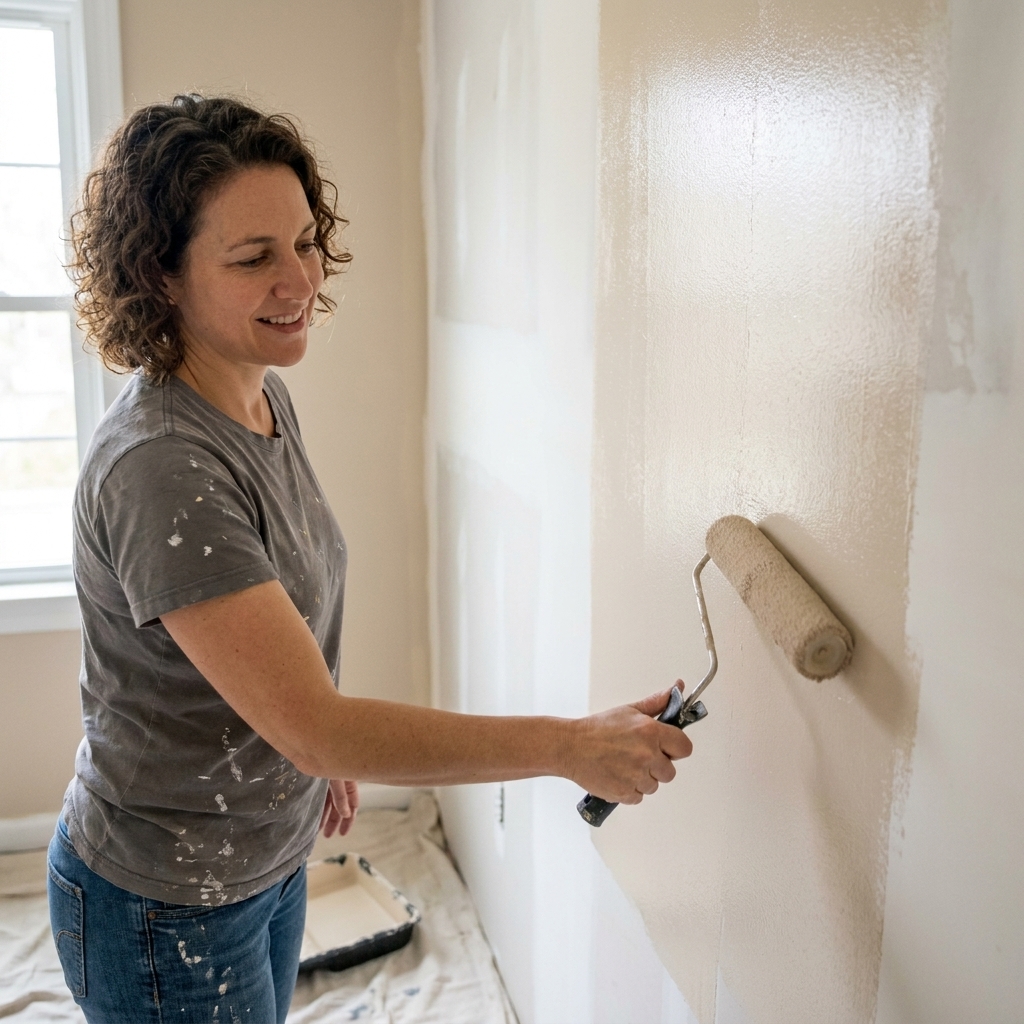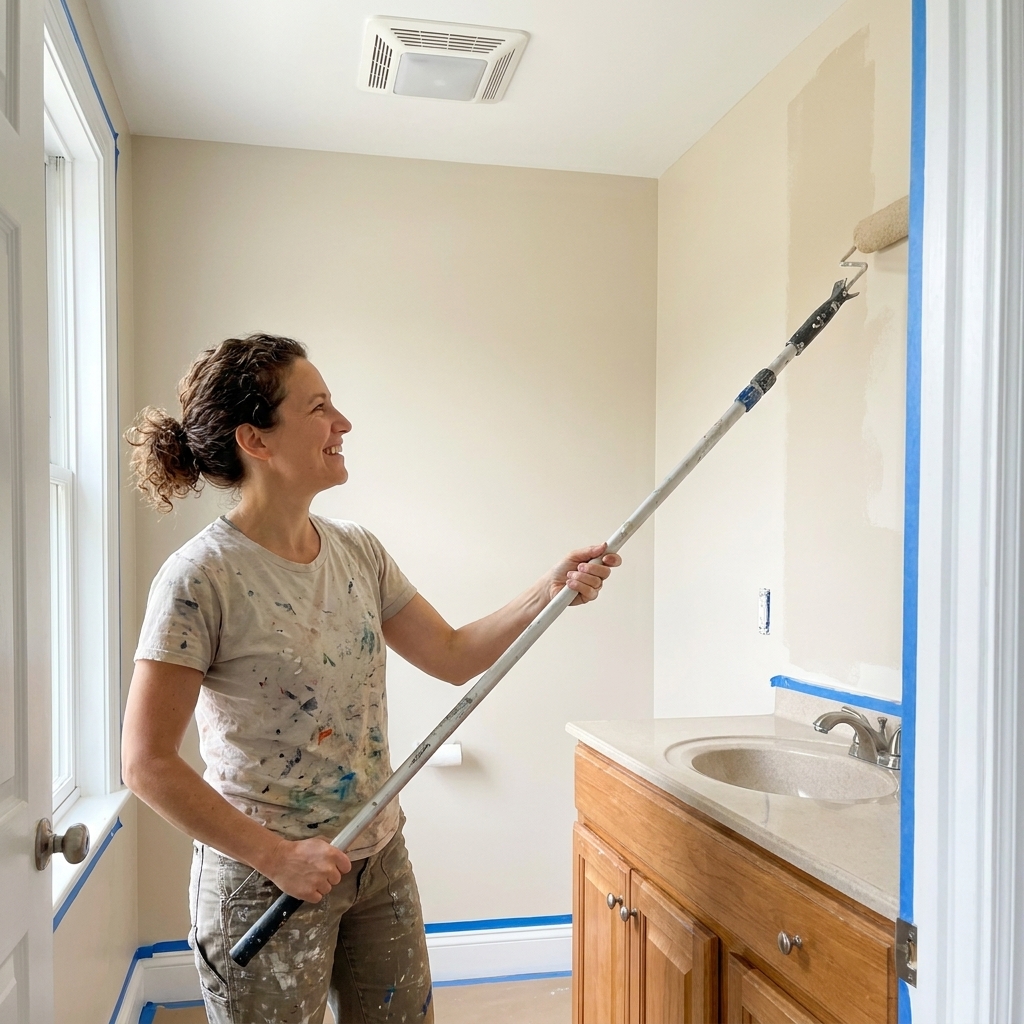
If you have ever stood in the paint aisle holding the same color in two different sheens and thought, Why do these look like two different paints? you are not imagining it. Sheen changes everything: the way a color reads in daylight, how much wall texture you notice, and how easily your walls forgive fingerprints.
For most interior walls, the decision comes down to eggshell vs. satin. Both are popular, both are versatile, and both can look beautiful. The trick is matching the finish to the reality of your space: your light, your wall condition, your lifestyle, and your tolerance for seeing every tiny patch job from 2014.
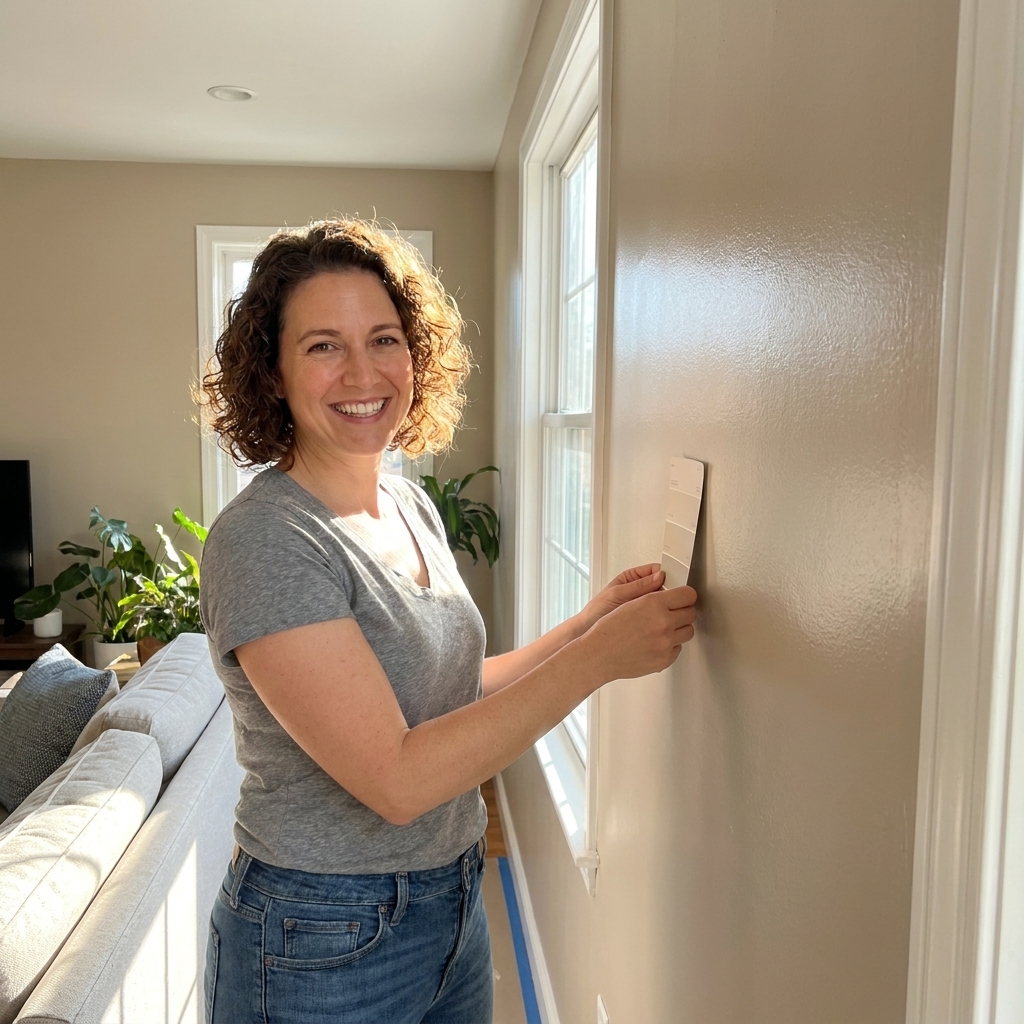
One quick heads-up before we get into it: sheen names are not perfectly standardized. An “eggshell” from one brand can look a lot like “satin” from another (and some lines use labels like “low sheen” or “pearl”). When in doubt, sample both on the wall and look at them morning, afternoon, and night.
Eggshell vs. satin at a glance
Here is the quick mental shortcut I use when helping friends choose:
- Eggshell = softer glow, hides imperfections better, a little less scrub-friendly.
- Satin = more sheen, more wipeable, shows bumps and roller marks more easily.
Both generally sit in the middle of the sheen lineup (flat/matte → eggshell → satin → semi-gloss → gloss). The difference between eggshell and satin can feel small on a label but looks obvious on a full wall, especially with windows or strong overhead lighting.
Reflectivity: how it looks on the wall
Eggshell: soft and forgiving
Eggshell has a low-luster, velvety glow. It reflects some light, but not enough to spotlight every drywall seam. In most living spaces, eggshell reads as “painted wall” in the best way: finished, smooth-looking, and calm.
Where eggshell helps most is in rooms with angled light. If you have big windows, skylights, or a long wall that gets raked by afternoon sun, eggshell tends to look more even and less flashy.
Satin: brighter sheen, sharper definition
Satin reflects more light, so colors can look a touch richer or deeper, depending on the brand, tint load, and formula. It can also make a room feel slightly more polished, especially in spaces where you want a cleanable surface.
The trade-off is that satin is more likely to emphasize:
- Drywall patches and joint lines
- Orange peel texture
- Roller lap marks if you work too slowly
- Dings and dents you stopped seeing years ago

Durability and washability
If you have kids, pets, or a hallway that functions like a bowling lane, durability matters as much as color.
Eggshell durability
Eggshell is reasonably durable for walls, especially in modern washable formulas. You can wipe it down, but it prefers a gentler touch. If you scrub aggressively, you can get burnishing (shiny spots) or slightly shift the sheen in the cleaned area.
Best cleaning approach: warm water, a soft microfiber cloth or sponge, and a drop of mild dish soap. Dab and lift rather than scrubbing like you are cleaning grout.
Satin durability
Satin is the sturdier sibling. It stands up better to repeated wiping and mild scrubbing, which is why it shows up so often in higher-traffic spaces.
One caveat: higher sheen can still burnish if you really go at it, but satin usually tolerates cleaning better than eggshell.
Touch-ups: where sheen really shows
Touch-ups are where a lot of paint decisions either feel brilliant or haunt you for years.
Eggshell touch-ups
Because eggshell has less reflectivity, small touch-ups tend to blend more gracefully, especially if you use the same can of paint and the same application method (roller vs. brush). It is not magic, though. Age, sunlight, and tiny batch differences can still cause flashing, and sometimes the only truly invisible fix is repainting the whole wall.
Satin touch-ups
Satin’s sheen is more likely to highlight where you rolled a patch or brushed a scuff. Even when the color matches, the sheen can catch light at certain angles. If you expect frequent spot-fixes (rental life, small kids, enthusiastic furniture moving), eggshell can save your sanity.
Pro tip: If you must touch up satin, feather the edges and use a mini roller to mimic the original wall texture. Brushing a satin patch onto a rolled wall is a very common “why does this look worse?” moment.
Application: which is easier?
Both eggshell and satin can go on beautifully, but they behave a little differently.
Eggshell application
- More forgiving if you are still getting your rolling rhythm down.
- Less likely to show lap marks in normal lighting, especially if you keep a wet edge.
- Great choice for older walls with minor imperfections.
Satin application
- Rewards good technique: consistent pressure, fully loaded roller, and steady pace.
- Shows mistakes faster, particularly on long walls with strong light.
- Needs solid prep: sanding ridges, smoothing patches, and cleaning greasy spots.
Best rooms for each
Eggshell is usually best for
- Living rooms where you want softness and minimal wall glare
- Bedrooms for a calm, cozy feel
- Dining rooms, especially with deeper colors where you do not want glare
- Home offices when you want the wall to visually recede
Satin is usually best for
- Hallways and stairwells that get bumped and touched often
- Kids’ rooms and play spaces that need frequent wipe-downs
- Laundry rooms and mudrooms for easy cleaning
- Kitchens and bathrooms (with a note below)
A note on kitchens and bathrooms
You will often hear “always use satin in kitchens and baths.” Satin can be a great choice because it is easier to clean, and it often handles occasional moisture better than flatter finishes. But the real upgrade is using a kitchen and bath rated paint with mildew resistance and making sure ventilation is doing its job. In a steamy bathroom with poor airflow, even satin will struggle if the fan is basically decorative.
A quick note on ceilings
Most ceilings look best in flat or matte because higher sheen can highlight seams, roller texture, and every little ripple. If you want a slight glow overhead, keep it subtle and make sure the ceiling is prepped well.
How lighting changes the decision
Lighting is the sneaky reason people repaint. Here is what I have learned from too many “it looked perfect in the store” weekends.
Strong natural light
Go eggshell when you want the wall to look smooth and even all day. Satin can look lovely, but it will reflect more and may highlight texture when the sun hits at an angle.
Mostly overhead lighting
Satin can look crisp under recessed cans and bright LEDs, especially in hallways, kitchens, and utility spaces. Just be aware that strong overhead lighting can also exaggerate roller marks if you do not keep a wet edge.
Dark or saturated colors
Eggshell often looks richer and more “paint-like” without glare. Satin can make dark colors look more reflective, which some people love and others find distracting. If you are going moody, sample both sheens and view them at night with your lamps on.
Prep that pays off
If you choose satin, prep matters more because the finish is less forgiving. Either way, these steps pay off.
- Wash the walls if there is grease, cooking residue, or handprints. Paint sticks to clean walls, not to mystery film.
- Sand patches smooth. Run your hand over the repaired area with your eyes closed. Your hand will catch what your eyes miss.
- Prime as needed on repairs, stains, or drastic color changes.
- Caulk gaps at trim if you want a clean line that looks finished.
I learned the hard way that rushing sanding and taping creates “why do my baseboards look fuzzy?” energy. Satin will call you out for it faster than eggshell.
Common questions
Is satin too shiny for walls?
Not usually. Satin is not glossy, but it is noticeably more reflective than eggshell. In bright rooms or on textured walls, it can feel shinier than you expected. If you hate seeing light bounce off walls, eggshell is the safer bet.
Is eggshell washable enough?
For most adult spaces, yes. For kid-heavy zones, tight hallways, and rooms where the walls take a beating, satin tends to hold up better to repeated cleaning. If you love a flatter look, consider modern “washable matte” paints, but read the label. Not all matte finishes behave the same once real life hits them.
Can I mix eggshell and satin in the same room?
Yes, and it can be smart. A common approach is eggshell on the walls and semi-gloss on trim for a crisp, durable finish. Some people also use satin on trim when they want a slightly softer look than semi-gloss. If you mean eggshell on some walls and satin on others, be intentional because different sheen levels can make the same color look slightly different.
Which one shows wall imperfections more?
Satin. The extra reflectivity highlights texture, patches, and dents. Eggshell is more forgiving.
My simple checklist
If you are still torn, walk through these questions:
- Do you need frequent wipe-downs? Choose satin.
- Are your walls less-than-perfect? Choose eggshell.
- Do you expect to do touch-ups? Eggshell is typically easier to blend, though perfect touch-ups are never guaranteed.
- Is the room blasted with sunlight? Eggshell usually looks more even.
- Is it a high-traffic pass-through? Satin often earns its keep.
If you want my default for most homes: eggshell for main living spaces and bedrooms, satin for hallways, kids’ areas, and hard-working rooms. Then let your lighting, wall condition, and paint line make the final call.